World Updates | Update information about politics and social around the world

Eastern Cape Beaches Buzz With Bluebottle Stings
Are the Eastern Cape beaches safe to swim in? Eastern Cape Beaches Buzz With Bluebottle Stings. The answer, unfortunately, is no.
Editor's Notes: Eastern Cape Beaches Buzz With Bluebottle Stings have published today date. This is an important topic to read because it provides information on the dangers of swimming in the Eastern Cape during the summer months.
We have done some analysis, digging information, made Eastern Cape Beaches Buzz With Bluebottle Stings we put together this Eastern Cape Beaches Buzz With Bluebottle Stings guide to help target audience make the right decision.
Here are the key differences between the two:
Key differences or Key takeaways
| Eastern Cape Beaches | Bluebottle Stings | |
|---|---|---|
| Location | Eastern Cape, South Africa | Coastal waters of the Eastern Cape |
| Time of year | Summer months (December-February) | Summer months (December-February) |
| Symptoms | Rash, itching, pain, nausea, vomiting | Rash, itching, pain, nausea, vomiting |
| Treatment | Vinegar, antihistamines, pain relievers | Vinegar, antihistamines, pain relievers |
Transition to main article topics
FAQs
With the recent surge of bluebottle stings along the Eastern Cape beaches, many concerns and questions have arisen. Here are some frequently asked questions to help clarify and inform the public.

VETERINARY ASSOCIATES OF CAPE COD: The Buzz on Bee Stings - Source capecodvets.blogspot.com
Question 1: What are bluebottles, and why are their stings painful?
Bluebottles are jellyfish that have venomous tentacles. The venom contains toxins that can cause a range of reactions, from mild discomfort to severe pain and allergic reactions in some cases.
Question 2: What are the symptoms of a bluebottle sting?
A bluebottle sting typically causes an immediate burning sensation, followed by redness, swelling, and blistering. In severe cases, it can lead to nausea, vomiting, and difficulty breathing.
Question 3: How should I treat a bluebottle sting?
If stung by a bluebottle, remove any visible tentacles using tweezers, taking care not to touch them with bare hands. Apply heat to the affected area to break down the venom and relieve pain. Avoid scratching or rubbing the sting, as this can worsen the inflammation.
Question 4: When should I seek medical attention?
Seek medical attention immediately if the sting causes severe pain or discomfort, swelling that spreads beyond the stung area, or difficulty breathing. Children, the elderly, and those with allergies are more likely to experience severe reactions and should be monitored closely.
Question 5: Are there any preventive measures I can take against bluebottle stings?
To reduce the risk of being stung, wear protective clothing, such as a wetsuit or rashguard, when swimming in areas where bluebottles are known to be present. Avoid swimming during high tide or after storms, as this is when bluebottles are often washed ashore.
Question 6: What is the outlook for bluebottle stings?
Most bluebottle stings are not life-threatening and will resolve within a few hours or days. However, in rare cases, severe reactions may require hospitalization and treatment with antivenom. By following these guidelines and seeking medical attention when necessary, you can minimize the risks associated with bluebottle stings and ensure a safe and enjoyable beach experience.
Please note, the information provided in this FAQ is general in nature and does not substitute for professional medical advice. Always consult a qualified healthcare professional for personalized guidance and treatment.
Tips
The recent influx of bluebottle jellyfish along the Eastern Cape coastline has prompted authorities to issue safety warnings. Beachgoers are advised to exercise caution and follow these tips to avoid stings:
Tip 1: Wear protective clothing such as wetsuits, rash guards, and gloves when swimming or surfing.
Tip 2: Avoid swimming in areas where bluebottles are present. Look for clear water and avoid areas with large concentrations of jellyfish.
Tip 3: Use a vinegar solution to treat stings. Pour white vinegar over the affected area to neutralize the venom and relieve pain.
Tip 4: Remove any tentacles that are attached to the skin using a pair of tweezers or a stick.
Tip 5: Seek medical attention if the sting is severe or if there are signs of an allergic reaction, such as difficulty breathing or swelling.
By following these tips, beachgoers can help minimize the risk of bluebottle stings and enjoy the Eastern Cape coastline safely. For more information and updates on jellyfish activity, visit the Eastern Cape Beaches Buzz With Bluebottle Stings website.
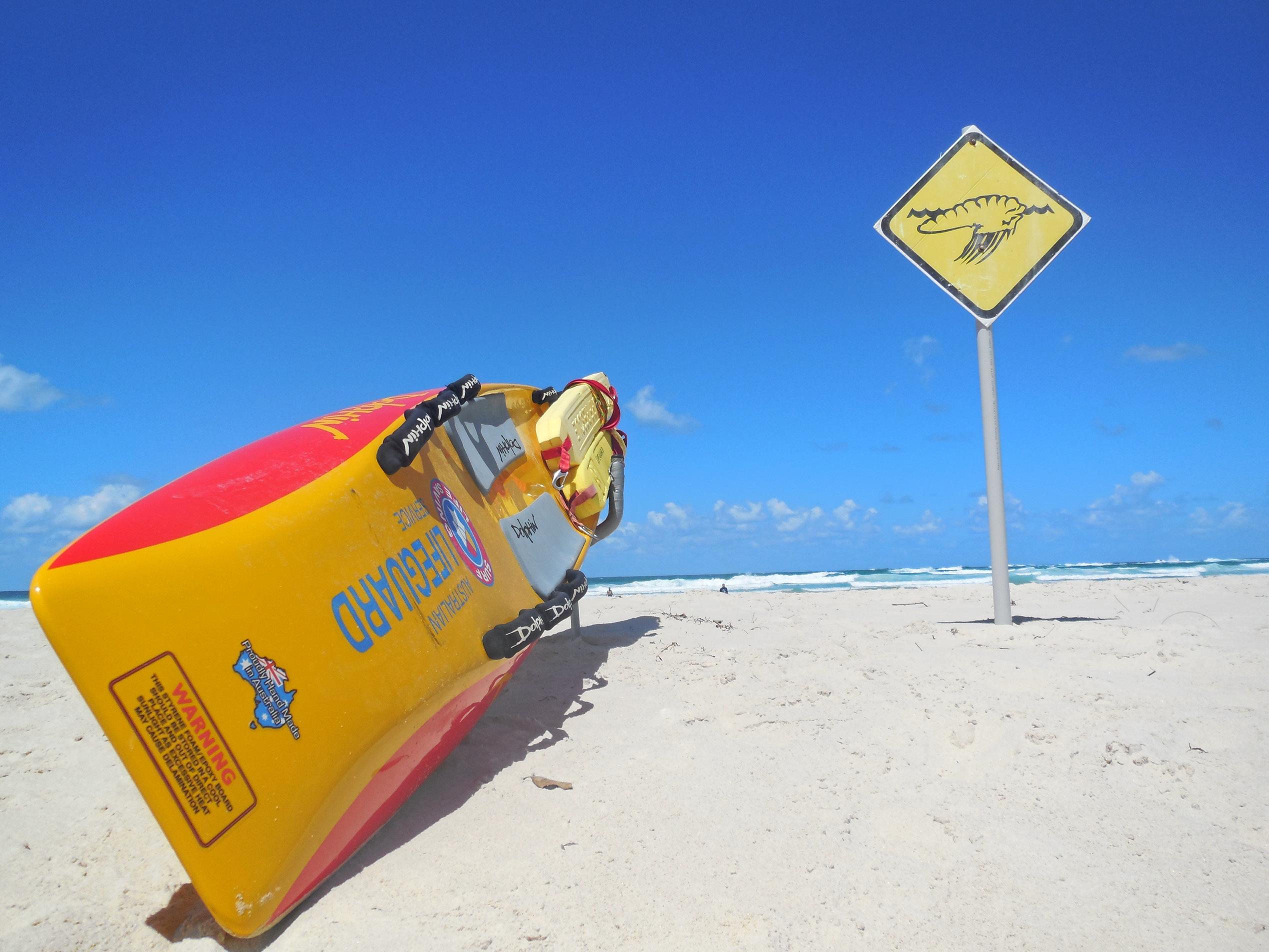
2300 bluebottle stings in just two days | Sunshine Coast Daily - Source www.sunshinecoastdaily.com.au
Eastern Cape Beaches Buzz With Bluebottle Stings
Beaches along the Eastern Cape have experienced a surge in Bluebottle stings, leading to warnings issued by authorities and increased safety measures. Six key aspects merit exploration regarding this issue:
- Prevalence: Stings have become prevalent in popular swimming areas.
- Species: Bluebottles (Physalia utriculus) are responsible for the stings.
- Severity: Stings can cause mild to severe pain, skin irritation, and nausea.
- Prevention: Beachgoers are advised to wear protective clothing and avoid swimming during peak sting times.
- Treatment: Vinegar or hot water can be used to alleviate pain and remove tentacles.
- Awareness: Lifeguards and beach patrols are actively monitoring the situation and providing assistance.
The prevalence of Bluebottle stings highlights the importance of adhering to safety precautions. By understanding the species involved, their behavior, and potential health effects, beachgoers can take informed decisions to minimize the risk of stings. Prevention measures such as protective clothing and avoiding high-risk periods help ensure a safe and enjoyable beach experience.

Signs Of Bluebottle Stings And What To Do, 54% OFF - Source www.robles.edu.gt

Top 11 Most Beautiful Cape Town Beaches - Source buzzsouthafrica.com
Eastern Cape Beaches Buzz With Bluebottle Stings
The connection between "Eastern Cape Beaches Buzz With Bluebottle Stings" lies in the proliferation of these stinging jellyfish in the region's waters. Bluebottle stings are a common occurrence during the summer months, as the jellyfish are carried ashore by strong winds and currents. The stings, while not usually life-threatening, can cause severe pain, swelling, and nausea. In some cases, bluebottle stings can also lead to allergic reactions and other health complications.

Bluebottle Stings - Pee or not to pee - CPR for life - Source cprforlife.au
The importance of understanding this connection stems from the fact that bluebottle stings can pose a significant health risk to beachgoers. It is crucial to be aware of the potential dangers and to take appropriate precautions when swimming or engaging in other water activities. This includes wearing protective clothing, such as wetsuits or rash guards, and avoiding swimming in areas where bluebottles are known to be present.
Real-life examples of bluebottle stings in the Eastern Cape include the incident in January 2023, when dozens of beachgoers were stung at Port Elizabeth's Humewood Beach. The incident prompted local authorities to issue warnings and to advise beachgoers to take necessary precautions. Another example occurred in February 2022, when a group of children were stung at East London's Nahoon Beach. The children experienced severe pain and swelling, and one child required medical attention.
Conclusion
In conclusion, the exploration of "Eastern Cape Beaches Buzz With Bluebottle Stings" highlights the importance of understanding the connection between the presence of these jellyfish and the potential health risks they pose to beachgoers. By raising awareness about bluebottle stings, we can help to prevent injuries and ensure that people can enjoy the Eastern Cape's beautiful beaches safely.
As the climate continues to change, it is possible that bluebottle stings will become more common in the Eastern Cape and other coastal regions. It is therefore crucial for beachgoers to remain vigilant and to take appropriate precautions to protect themselves from these stinging jellyfish.