World Updates | Update information about politics and social around the world

Happy New Year: Customs And Traditions Around The World
As the world bids farewell to the old year and welcomes the new, diverse customs and traditions light up the global landscape, symbolizing hope, renewal, and celebration. From the vibrant fireworks illuminating the night sky to the intricate rituals that have been passed down through generations, the arrival of the new year is a time for reflection, joy, and cultural exchange.
Editor's Note: Happy New Year: Customs And Traditions Around The World was published January 1, 2023. As the world emerges from a challenging year, this topic is of particular importance, offering a glimpse into the diverse ways cultures celebrate new beginnings and the resilience of human spirit.
Through extensive analysis and research, we have compiled a comprehensive guide to Happy New Year: Customs And Traditions Around The World. Our aim is to provide a valuable resource that sheds light on the unique practices associated with this global celebration, promoting cultural understanding and appreciation.
Key Takeaways:
| Country | Traditions | |
|---|---|---|
| China | Red Envelopes, Dragon Dances, Fireworks | |
| Japan | Mochi Pounding, Hatsumode, Kadomatsu | |
| United States | New Year's Resolutions, Fireworks, Times Square Ball Drop | |
| Brazil | White Clothing, Jumping Over 7 Waves, Lentils | |
| India | Diwali, Lohri, Makar Sankranti |
Main Article Topics:
FAQ
The diverse cultural practices surrounding New Year's celebrations reflect the rich tapestry of global traditions. This FAQ delves into some commonly asked questions about these customs and their historical significance.
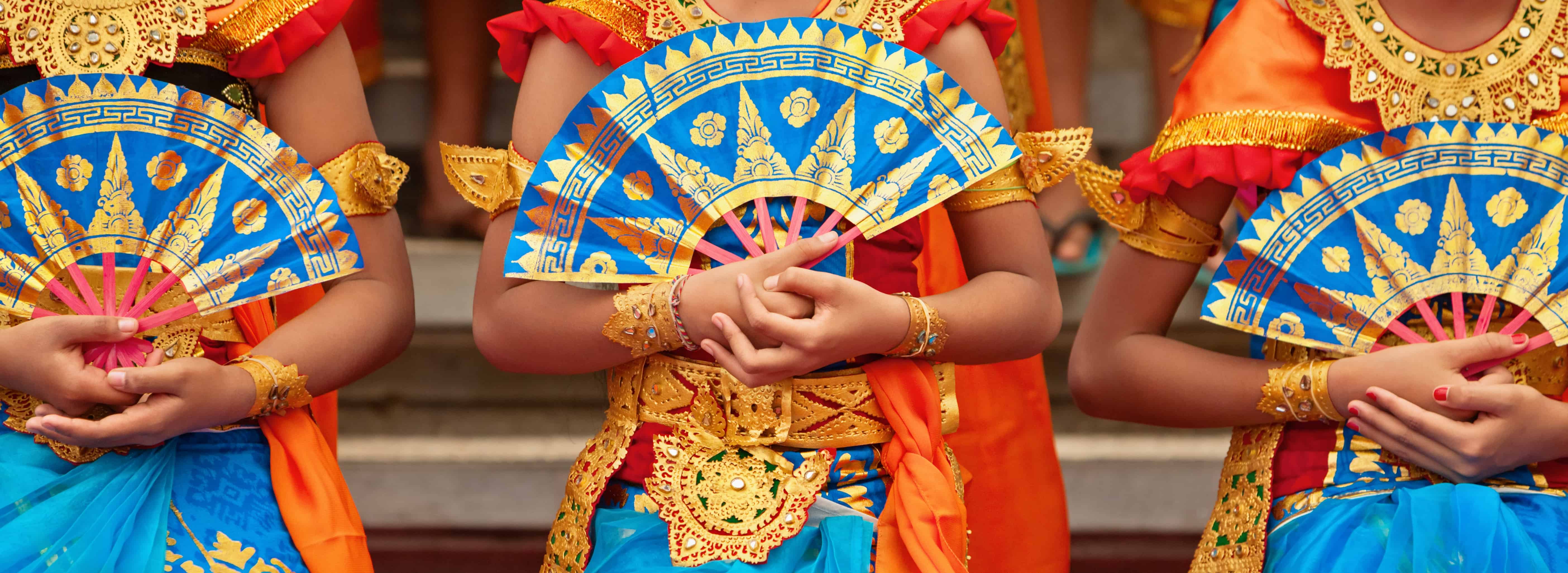
10 Bizarre Funeral Customs From Around The World - Source narodnatribuna.info
Question 1: What is the significance of fireworks during New Year's Eve celebrations?
Fireworks have long been associated with warding off evil spirits and heralding the arrival of a new year. Their vibrant colors and loud explosions symbolize hope, prosperity, and the cleansing of negative energy.
Question 2: Why do people eat specific foods for New Year's celebrations?
Consuming certain foods on New Year's Day is believed to bring good luck and prosperity throughout the year. For example, round foods like grapes or dumplings represent the cyclical nature of time, while lentils, beans, and coins symbolize abundance.
Question 3: What are the origins of the tradition of making New Year's resolutions?
The practice of making resolutions at the start of a new year dates back to ancient Babylonians. It was believed that deities held sway over human destinies, and making promises to them would ensure their favor.
Question 4: Why do some cultures practice "first-footing" on New Year's Day?
First-footing, or the tradition of having a dark-haired man be the first visitor to a home on New Year's Day, originated in Scotland. It is believed to bring good fortune and blessings to the household.
Question 5: How does the concept of "auld lang syne" relate to New Year's celebrations?
"Auld lang syne" is a Scottish poem that has become a beloved anthem for New Year's Eve celebrations worldwide. It reflects on the passing of time and the bonds of friendship that withstand its passage.
Question 6: What is the historical significance of New Year's Day as a holiday?
New Year's Day has been celebrated for millennia, its origins tracing back to the ancient Roman calendar. The Roman emperor Julius Caesar established January 1st as the start of the new year in 46 BC, a tradition that has endured through the centuries.
These questions and answers provide a glimpse into the diverse customs and traditions that shape New Year's celebrations around the world, highlighting the cultural significance and historical roots of these practices.
Continue Reading: Celebrating the New Year: From Fireworks to First-Footing
Tips
To ensure a prosperous and fulfilling New Year, consider incorporating some of these customs into your celebrations: Happy New Year: Customs And Traditions Around The World
Tip 1: Cleanse Your Home: In many cultures, it is believed that a clean home welcomes positive energy for the new year. Thoroughly clean every corner of your home, clearing out any clutter or negative remnants of the past.
Tip 2: Wear New Clothes: Wearing new clothes on New Year's Day symbolizes a fresh start and renewal. Choose bright-colored or festive clothing to attract good fortune and happiness.
Tip 3: Eat Lucky Foods: In many Asian cultures, certain foods are believed to bring wealth and prosperity in the coming year. Eat dishes like long noodles for longevity, dumplings for wealth, and fish for abundance.
Tip 4: Make Resolutions: While resolutions are common worldwide, they are particularly important in some African cultures as they set intentions for the year ahead. Focus on achievable goals related to health, wealth, or personal growth.
Tip 5: Set Off Fireworks: In many countries, fireworks are a vibrant part of New Year's celebrations. The bright lights and loud noises are thought to ward off evil spirits and bring good luck.
Summary: By implementing these customs, you can create a positive and auspicious atmosphere for the New Year. Embrace new beginnings, attract prosperity, and welcome the year ahead with joy and optimism.
Transition: As you embark on this exciting journey, remember that these customs are simply guidelines. Adapt them to fit your beliefs and traditions, and create a celebration that resonates with your unique spirit.
Happy New Year: Customs And Traditions Around The World
New Year's celebrations around the world showcase unique customs and traditions that reflect cultural beliefs and hopes for the year ahead.
- Fireworks: Illuminate the sky to ward off evil spirits and bring good luck.
- Mealtime Traditions: Foods like grapes in Spain, dumplings in China, and pork in Cuba symbolize prosperity and abundance.
- Fire Dancing and Lantern Festivals: Performers light up streets and homes with fire and lanterns, bringing warmth and brightness to the new year.
- Good Luck Rituals: Embracing superstitions and rituals, people wear red underwear, smash pomegranates, or jump over fires for good fortune.
- New Year's Resolutions: A time for reflection and setting goals, many make resolutions to improve their lives.
- Parades and Festivals: Colorful parades, such as the Rose Parade in Pasadena, California, and grand festivals in Rio de Janeiro, Brazil, add joy and spectacle to the celebrations.
These key aspects of New Year's celebrations illustrate the diverse ways cultures embrace this occasion, recognizing its significance as a time for renewal, hope, and the anticipation of a positive future.

Christmas traditions around the worl…: English ESL worksheets pdf & doc - Source en.islcollective.com
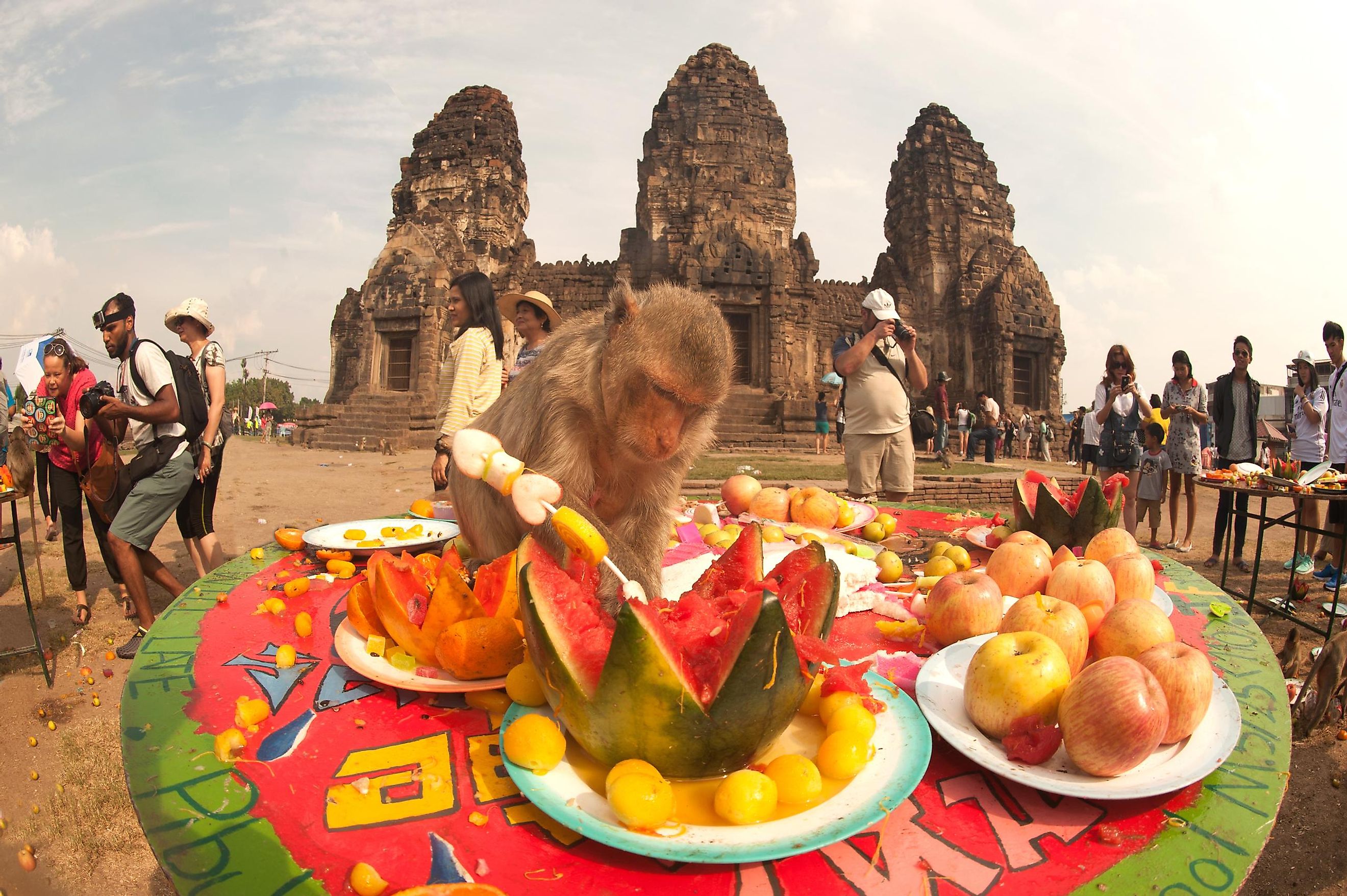
The Strangest Traditions Around The World - WorldAtlas - Source www.worldatlas.com
Happy New Year: Customs And Traditions Around The World
The diverse tapestry of New Year's customs and traditions worldwide reflects the rich cultural heritage of our planet. These expressions of celebration, hope, and renewal reveal the common yearning for a prosperous and auspicious future. From the bustling streets of New York City to the serene temples of Japan, each tradition carries a unique significance that shapes the collective experience of this global event.

New Year Celebration Traditions - Source stevenjchavez.github.io
Understanding these customs and traditions allows us to appreciate the vast spectrum of human creativity and cultural diversity. It fosters a sense of global connectedness and deepens our understanding of the different ways in which people celebrate and mark the transition into a new year.
The practical significance of this understanding extends to the realm of cultural exchange and diplomacy. By recognizing and respecting the customs and traditions of other cultures, we can build bridges of understanding and promote peaceful coexistence among nations.
The following table presents a comparative overview of some notable New Year's customs and traditions around the world:
| Country | Tradition | Significance |
|---|---|---|
| Japan | Mochi-tsuki (rice cake pounding) | Symbolizes strength, unity, and a wish for a plentiful harvest. |
| United States | Times Square Ball Drop | Marks the countdown to midnight and represents hope and excitement for the new year. |
| Scotland | First-footing | The first person to cross the threshold of a home on New Year's Day brings good luck for the coming year. |
| Brazil | Wearing white | Symbolizes peace and purity for the new year. |
| Spain | Eating 12 grapes | Each grape represents a wish for the 12 months of the new year. |
Conclusion
The exploration of New Year's customs and traditions around the world reveals the profound cultural and historical significance of this global event. Understanding these diverse practices deepens our appreciation for human creativity and fosters a sense of global connectedness.
As we continue to navigate the complexities of an interconnected world, recognizing and respecting the cultural customs of different nations is essential for promoting peaceful coexistence and mutual understanding.