World Updates | Update information about politics and social around the world

Honey Fungus: An Extensive Guide To Identification, Ecology, And Culinary Uses
Through extensive analysis and research, the Honey Fungus: An Extensive Guide To Identification, Ecology, And Culinary Uses has been compiled to provide a comprehensive resource for anyone interested in this remarkable fungus.
| Honey Fungus | Other Fungi | |
|---|---|---|
| Identification | Yellow-orange cap with scales, white gills, and a partial veil | Varies widely depending on species |
| Ecology | Forms mycorrhizal associations with trees, can be parasitic | Diverse ecological roles, including saprobes, parasites, and mutualists |
| Culinary Uses | Edible when cooked, with a sweet and nutty flavor | Many species are poisonous, so identification is crucial |
Transition to main article topics
FAQ
For further clarification regarding the fascinating realm of honey fungus, this section presents a series of frequently asked questions and their comprehensive answers. This repository of knowledge aims to shed light on common misconceptions, technical terms, and notable aspects of the fungus.

Honey Fungus Identification – What Do Honey Mushrooms Look Like - IMP WORLD - Source imp.world
Question 1: What distinguishes honey fungus from other types of fungi?
Honey fungus, scientifically known as Armillaria mellea, is renowned for its parasitic nature, attacking the root systems of trees and shrubs. It forms distinctive rhizomorphs, cord-like structures that spread underground and facilitate its invasion of host plants. These rhizomorphs, often dark brown or black, play a crucial role in the fungus's survival and expansion.
Question 2: How can I identify honey fungus in the field?
During autumn, honey fungus produces clusters of mushrooms near the base of infected trees. These mushrooms typically exhibit a honey-colored cap with darker scales and white or cream-colored gills. The stipe, or stem, often bears a ring and is adorned with brown or purplish hues. Additionally, the presence of rhizomorphs around the base of trees or under the bark provides valuable evidence of honey fungus infestation.
Question 3: What impact does honey fungus have on its host plants?
Honey fungus is a destructive pathogen, causing significant damage to trees and shrubs. It ravages the root system, disrupting water and nutrient uptake, ultimately leading to wilting, leaf loss, and tree decline. In severe cases, infected trees may succumb to the fungus's relentless attack.
Question 4: Are there effective methods for controlling honey fungus?
Combatting honey fungus poses significant challenges. Once established, it can be challenging to eradicate completely. However, preventive measures can minimize its impact. Planting resistant tree species, removing infected trees to prevent spread, and implementing proper sanitation practices are recommended approaches.
Question 5: Can honey fungus be consumed for culinary purposes?
Honey fungus is generally not considered edible or palatable. Consuming raw honey fungus may cause gastrointestinal distress due to the presence of indigestible compounds. Only experienced foragers should consider consuming cooked honey fungus, exercising caution and ensuring proper identification to avoid potentially toxic species.
Question 6: What further resources are available to delve deeper into honey fungus?
For those seeking a more comprehensive understanding of honey fungus, numerous scientific publications, field guides, and online resources provide valuable insights. Consulting with experts, joining mycological societies, and attending workshops can significantly enhance one's knowledge and appreciation of this fascinating organism.
This FAQ section has addressed various aspects of honey fungus, emphasizing its identification, ecology, and culinary considerations. Remember to approach wild mushrooms with caution and consult reliable sources before consumption. Respecting the natural world and its diverse inhabitants ensures a harmonious coexistence between humans and the fascinating realm of fungi.
As we delve into the intricacies of honey fungus, the subsequent article section will explore its unique symbiotic relationships, revealing the intricate web of life that sustains our natural ecosystems.
Tips
Honey fungus, also known as Armillaria mellea, is a fascinating and diverse group of fungi that play crucial roles in ecosystems worldwide. Honey Fungus: An Extensive Guide To Identification, Ecology, And Culinary Uses to help you better understand and appreciate these remarkable organisms.
Tip 1: Carefully Observe the Fruiting Bodies
Honey fungus fruiting bodies exhibit a range of colors, shapes, and sizes. Identifying these features is essential for accurate identification. Look for caps that are honey-colored to brownish-yellow, with smooth or scaly surfaces. Gills are typically pale yellow or whitish, while the stem may have a ring or annulus.
Tip 2: Examine the Mycelium
Honey fungus mycelium, the vegetative part of the fungus, is typically white, yellow, or brown. It can be found growing on the surface of wood, under bark, or in the soil. Identifying the mycelium can help you locate the source of an infection or better understand the spread of the fungus.
Tip 3: Check for Rhizomorphs
Rhizomorphs are specialized root-like structures that honey fungus uses to spread through the environment. These black, cord-like structures can be seen growing on дерева, stumps, and other woody debris.
Tip 4: Consider the Habitat
Honey fungus is commonly found in forests, woodlands, and gardens, where it grows on dead or decaying wood. It can also be found on living trees, where it can cause root decay and other health problems.
Tip 5: Consult with Experts
If you are unsure about identifying honey fungus, do not hesitate to consult with an expert. Mycological societies, universities, and government agencies often have resources available to help with identification.
Summary
By following these tips, you will gain a deeper understanding of honey fungus and its significance in nature. Honey fungus has both ecological and practical importance, providing insights into ecosystem functioning and potential culinary uses.
Honey Fungus: An Extensive Guide To Identification, Ecology, And Culinary Uses
Honey fungus, a diverse group of fungal species, captivates mycologists, ecologists, and culinary enthusiasts alike. This comprehensive guide unravels key aspects of their identification, ecology, and uses in the culinary world, shedding light on their ecological significance and potential culinary applications.
- Identification: Distinctive features, cap and stem characteristics, and spore analysis aid in accurate identification.
- Diversity: Encompassing numerous species with unique morphologies and ecological preferences.
- Ecology: Forming resilient networks, these fungi play crucial roles in nutrient cycling and ecosystem health.
- Pathogenicity: Certain species exhibit pathogenic properties, posing threats to forestry and agriculture.
- Culinary Value: Valued in various cuisines, honey fungus offers unique flavors and textures when cooked.
- Medicinal Potential: Ongoing research explores the potential medicinal properties of certain species.
The diverse aspects of honey fungus offer a glimpse into their ecological significance and culinary potential. From their intricate identification traits to their role in ecosystem health, they present a fascinating subject of study for mycologists and ecologists. Furthermore, their culinary versatility, ranging from imparting umami flavors to creating meaty textures, has garnered appreciation among culinary enthusiasts. As research continues to unravel the complexities of these fungi, their importance in both natural ecosystems and human culture will undoubtedly be further illuminated.

Honey Fungus Treatment - Fairweathers Garden Centre - Source fairweathers.co.uk

Hen of the Woods – Identification, Edibility, Distribution, Medicinal - Source www.pinterest.com
Honey Fungus: An Extensive Guide To Identification, Ecology, And Culinary Uses
"Honey Fungus: An Extensive Guide To Identification, Ecology, And Culinary Uses" provides a comprehensive exploration of the fascinating world of honey fungus. This guide delves into the intricate details of honey fungus identification, examining its physical characteristics, microscopic features, and ecological significance. The authors meticulously outline the various species of honey fungus, providing essential information for accurate identification in the field. Furthermore, the guide delves into the complex ecology of honey fungus, exploring its role in forest ecosystems, its interactions with other organisms, and its impact on plant health.
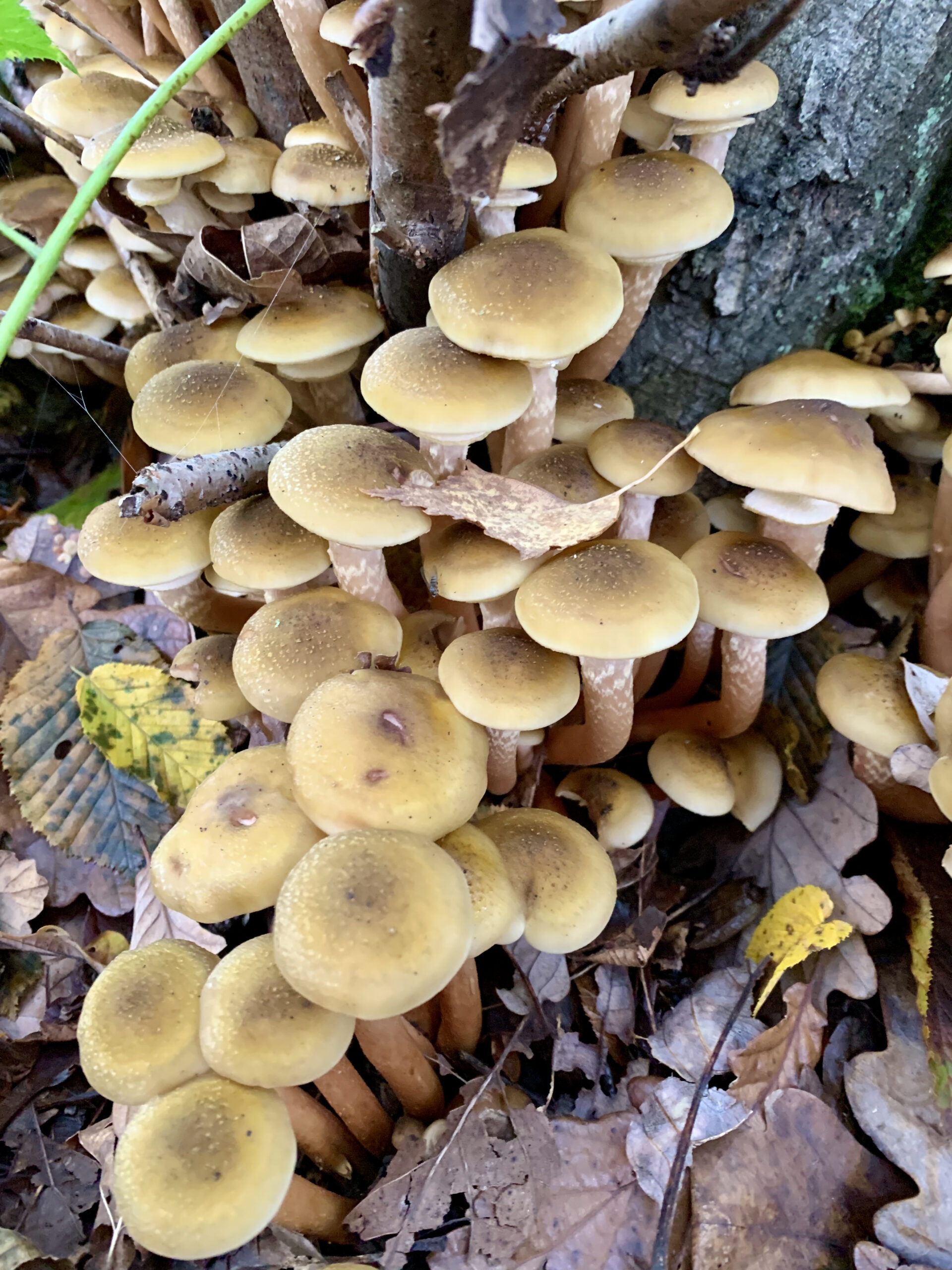
HONEY FUNGUS, – BRYAN'S COUNTRYSIDE - Source bryanscountryside.co.uk
The culinary uses of honey fungus are also thoroughly explored. The guide offers expert advice on harvesting, preparing, and cooking honey fungus, ensuring safe and enjoyable consumption. Detailed recipes and cooking techniques are provided, showcasing the culinary versatility and unique flavors of this sought-after edible mushroom.
By understanding the identification, ecology, and culinary uses of honey fungus, readers gain a deeper appreciation for the intricate workings of nature's fungal kingdom. This comprehensive guide is an invaluable resource for mushroom enthusiasts, ecologists, and culinary adventurers alike, fostering a greater understanding of the natural world and its culinary delights.
Conclusion
"Honey Fungus: An Extensive Guide To Identification, Ecology, And Culinary Uses" stands as a testament to the remarkable diversity and significance of honey fungus. This comprehensive guide provides a wealth of knowledge, empowering readers to identify, understand, and appreciate this fascinating fungus. Whether you are a seasoned mushroom enthusiast or a curious explorer seeking to expand your culinary horizons, this guide will undoubtedly enrich your understanding of the natural world.
The exploration of honey fungus highlights the delicate balance and interconnectedness of our ecosystems. Honey fungus plays a crucial role in forest health, nutrient cycling, and the survival of countless organisms. As we delve deeper into the world of fungi, we gain a profound appreciation for their ecological importance and the vital role they play in sustaining life on Earth.