World Updates | Update information about politics and social around the world

Meita: The Essential Guide To Sustainable And Ethical Fashion
Meita: The Essential Guide To Sustainable And Ethical Fashion is the authoritative guide to all things sustainable fashion.
Editor's Note: Meita: The Essential Guide To Sustainable And Ethical Fashion has arrived! This is a must-read for anybody interested in learning more about sustainable fashion, whether they are an experienced industry professional or a curious consumer.
We've put up this guide to assist you make educated decisions about sustainable and ethical fashion. This Guide will empower you make informed and thoughtful decisions regarding their purchasing and consumption,
Key Differences
| Meita: The Essential Guide To Sustainable | |
|---|---|
| Purpose | Empower readers to make informed and thoughtful decisions regarding their purchasing and consumption |
| Audience | Anyone interested in learning more about sustainable fashion |
| Format | Comprehensive guidebook |
Main Sections
- What is sustainable fashion?
- The benefits of sustainable fashion
- The challenges of sustainable fashion
- How to choose sustainable fashion
- Sustainable fashion brands
FAQs
The guide to sustainable and ethical fashion can be a daunting task, but it is one that is essential for the future of our planet. Here are some frequently asked questions about sustainable and ethical fashion to help you get started.

Premium Photo | Sustainable and Ethical Fashion Choices - Source www.freepik.com
Question 1: What is sustainable fashion?
Sustainable fashion is a way of creating and producing fashion that minimizes the negative environmental and social impacts of the fashion industry. This means using sustainable materials, such as organic cotton and recycled polyester, and using production methods that reduce pollution and waste.
Question 2: What is ethical fashion?
Ethical fashion is a way of creating and producing fashion that respects the rights of workers and animals. This means ensuring that workers are paid a fair wage, work in safe conditions, and are not subjected to discrimination or abuse. It also means using materials that are not derived from animals or that do not harm animals.
Question 3: Why is sustainable and ethical fashion important?
Sustainable and ethical fashion is important for a number of reasons. First, the fashion industry is one of the most polluting industries in the world. It is responsible for a significant amount of greenhouse gas emissions, water pollution, and waste. Second, the fashion industry is often exploitative of workers, particularly in developing countries. Workers are often paid poverty wages, work in unsafe conditions, and are subjected to discrimination or abuse. Third, the fashion industry is a major consumer of resources, such as water, energy, and land. These resources are becoming increasingly scarce, and the fashion industry is putting a strain on them.
Question 4: What can I do to support sustainable and ethical fashion?
There are a number of things you can do to support sustainable and ethical fashion. Here are a few ideas:
- Buy less clothing.
- Buy clothing that is made from sustainable materials.
- Buy clothing that is made ethically.
- Buy clothing that is durable and will last.
- Donate or recycle old clothing.
- Support sustainable and ethical fashion brands.
Question 5: What are some sustainable and ethical fashion brands?
There are a number of sustainable and ethical fashion brands available. Here are a few examples:
- Patagonia
- Eileen Fisher
- Reformation
- Veja
- Kotn
Question 6: Where can I learn more about sustainable and ethical fashion?
There are a number of resources available to learn more about sustainable and ethical fashion. Here are a few:
- The Sustainable Fashion Glossary
- The Ethical Fashion Guide
- The Fashion Revolution
- Greenpeace
- WWF
Sustainable and ethical fashion is an important way to reduce the negative environmental and social impacts of the fashion industry. By making small changes to our shopping habits, we can make a big difference.
Continue reading to learn more about the benefits of sustainable and ethical fashion.
Tips
Following sustainable and ethical fashion practices does not have to be overwhelming or expensive. Meita: The Essential Guide To Sustainable And Ethical Fashion offers these easy-to-follow tips to help you make a positive impact on the planet and your wardrobe.
Tip 1: Invest in quality
Opt for timeless pieces made from durable materials like organic cotton, linen, or recycled fabrics. These garments will last longer, reducing waste and saving you money in the long run.
Tip 2: Support sustainable brands
Look for certifications like Fairtrade, GOTS (Global Organic Textile Standard), or B Corp to ensure brands adhere to ethical and environmental standards. This supports responsible production practices, fair wages, and minimizes the industry's environmental footprint.
Tip 3: Extend the life of your clothes
Extend the life of your wardrobe by caring for it properly. Wash clothes less often, use eco-friendly detergents, and air-dry whenever possible. Repair clothing rather than discarding it, and explore clothing swaps or rental services.
Tip 4: Shop secondhand
Purchasing pre-owned items gives discarded clothing a new life, reduces waste, and often saves money. Thrift stores, consignment shops, and online marketplaces offer a treasure trove of unique and affordable pieces.
Tip 5: Be mindful of packaging
Avoid excessive packaging by seeking brands that use sustainable materials and minimize waste. Choose items that are shipped in biodegradable or reusable packaging, and consider opting for digital receipts instead of paper.
Key Takeaways:
By implementing these tips, you can contribute to a more sustainable fashion future. Embrace quality over quantity, support ethical brands, extend the life of your clothes, opt for secondhand, and be mindful of packaging. Your wardrobe will thank you, and the planet will appreciate it.
Transition to the article's conclusion
Meita: The Essential Guide To Sustainable And Ethical Fashion
In a rapidly evolving fashion industry, Meita stands as a beacon of sustainable and ethical practices. This guide explores six key aspects that shape Meita's commitment to fashion with integrity.
- Respectful Sourcing: Ensuring ethical treatment of workers and animals
- Eco-Friendly Materials: Utilizing sustainable fabrics and minimizing environmental impact
- Minimalist Design: Creating timeless and versatile pieces that reduce waste
- Local Production: Supporting local communities and reducing global emissions
- Transparency: Providing full disclosure on production processes and materials
- Social Responsibility: Embracing fair labor practices, promoting equality, and giving back
These aspects intertwine to create a responsible and transparent fashion system. For instance, Meita's respectful sourcing ensures ethical treatment of farmers, while its minimalist designs promote longevity, reducing the need for frequent replacements. Its local production practices support regional economies and reduce the carbon footprint of transportation. By prioritizing sustainable materials and transparency, Meita empowers consumers with informed choices. Through social responsibility initiatives, it extends its impact beyond fashion, fostering positive change within communities.

This Company Helps Launch Sustainable & Ethical Fashion Brands - Source ecocult.com
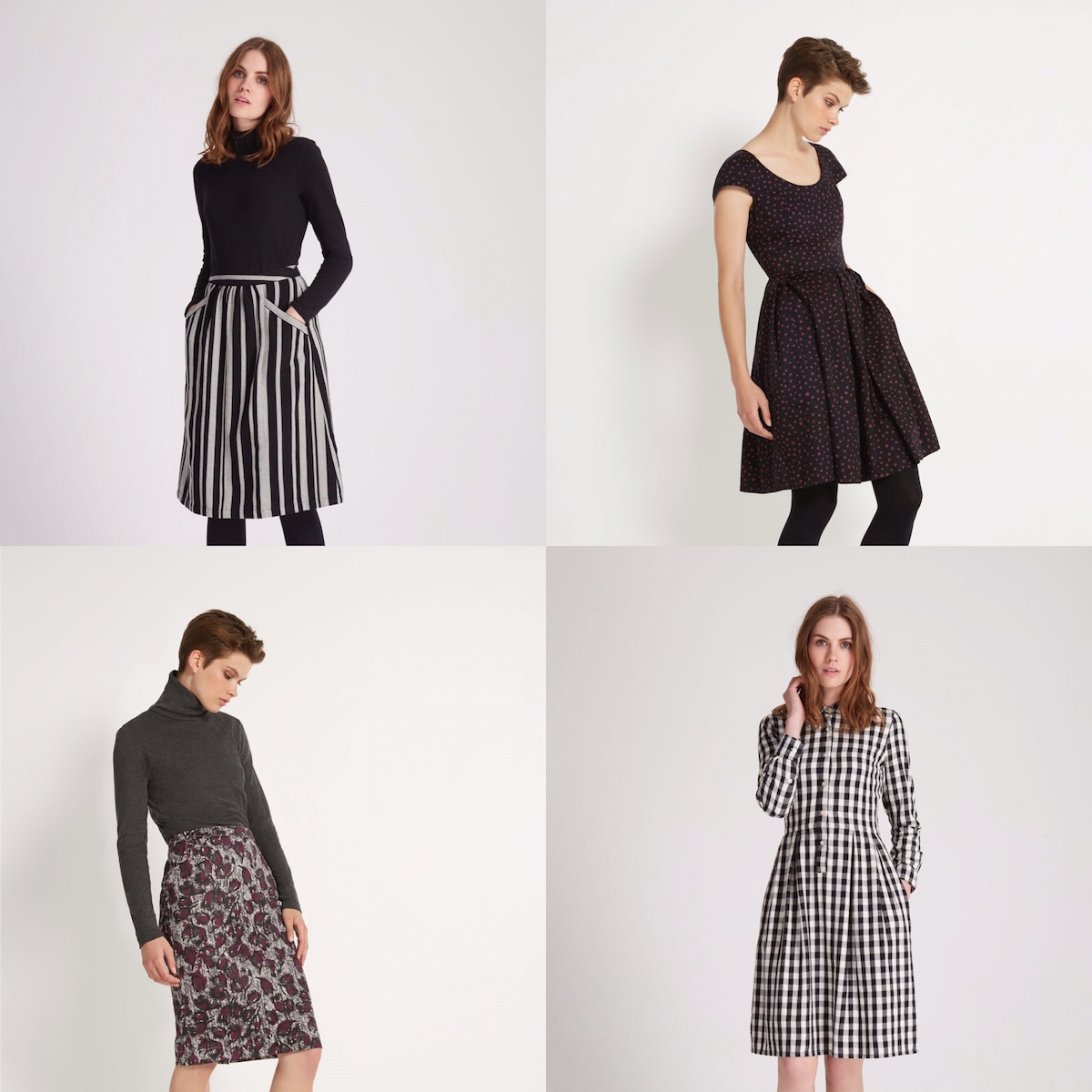
People Tree An Ethical and Sustainable Fashion Brand – JacquardFlower - Source www.jacquardflower.uk
Meita: The Essential Guide To Sustainable And Ethical Fashion
"Meita: The Essential Guide To Sustainable And Ethical Fashion" explores the crucial connection between sustainability and ethics in the fashion industry. It highlights the impact of unsustainable practices on the environment and society, urging readers to embrace conscious consumption.

Ethical and sustainable fashion from shopethica.com #hamptonspop - Source www.pinterest.com
The book emphasizes the importance of understanding the supply chain, supporting fair trade practices, and choosing eco-friendly materials. Through real-life examples, it demonstrates how sustainable fashion can be stylish, affordable, and accessible.
By fostering an understanding of this connection, "Meita: The Essential Guide To Sustainable And Ethical Fashion" empowers readers to make informed choices. It highlights the practical significance of sustainable fashion, promoting a positive impact on the environment, empowering communities, and ensuring the long-term viability of the industry.
| Key Insight | Practical Significance |
|---|---|
| Understanding the supply chain | Ensures transparency and accountability |
| Supporting fair trade practices | Empowers artisans and improves livelihoods |
| Choosing eco-friendly materials | Reduces environmental impact and promotes resource conservation |
Conclusion
"Meita: The Essential Guide To Sustainable And Ethical Fashion" concludes by reinforcing the inseparable connection between sustainability and ethics in fashion. It challenges readers to critically evaluate their consumption habits and make informed choices that support a more sustainable and equitable industry.
The book's message is timely, as the fashion industry faces increasing pressure to address its environmental and social impact. By embracing sustainable and ethical practices, we can create a more responsible and sustainable future for fashion, ensuring its continued relevance and impact in a changing world.