World Updates | Update information about politics and social around the world

Moscow Conservatory: A Bastion Of Musical Excellence And Historical Significance
Moscow Conservatory: A Bastion Of Musical Excellence And Historical Significance
Introduction
Explore " Moscow Conservatory: A Bastion Of Musical Excellence And Historical Significance " in a clear, informative manner. Use an expository style, keeping the language professional and straightforward, avoiding first and second-person pronouns and AI jargon. Aim to deliver a comprehensive insight into " Moscow Conservatory: A Bastion Of Musical Excellence And Historical Significance," underlining its importance or benefits engagingly and directly, without repeating the keyword phrase itself. Deliver the output in english language with HTML structure include
. and add tag
The Boundary Wall of the Historical Nahargarh Fort in the Jaipur City - Source www.dreamstime.com
on after first paragraphs.

ORANGE, CALIFORNIA - 24 MAR 2023: St. Johns Lutheran Community Music - Source www.dreamstime.com
Key differences or Key takeways, provide in informative table format
| Features | Moscow Conservatory |
|---|---|
| Founded | 1866 |
| Location | Moscow, Russia |
| Reputation | One of the world's leading music schools |
| Notable alumni | Pyotr Ilyich Tchaikovsky, Sergei Rachmaninoff, Dmitri Shostakovich |
Transition to main article topics
FAQ
The Moscow Conservatory, a world-renowned institution of musical excellence, has a rich history spanning over 150 years. Here are some frequently asked questions and answers to provide a deeper understanding of this esteemed Conservatory:
The Stupa. Its Religious, Historical And Architectural Significance. by - Source www.abebooks.com
Question 1: What is the history and significance of the Moscow Conservatory?
Founded in 1866, the Moscow Conservatory was established by Nikolai Rubinstein to foster musical education and advancement in Russia. Over the years, it has played a pivotal role in shaping the Russian musical landscape, nurturing generations of renowned musicians and composers, including Tchaikovsky, Rachmaninoff, and Prokofiev.
Question 2: What are the key features of the Moscow Conservatory's curriculum?
The Conservatory offers comprehensive music education programs at both undergraduate and postgraduate levels. Its curriculum encompasses a wide range of disciplines, including instrumental performance, composition, conducting, music theory, and music history, providing students with a well-rounded foundation in musical knowledge and skills.
Question 3: Who are some of the notable alumni of the Moscow Conservatory?
The Conservatory's alumni include a constellation of celebrated musicians. Notable composers such as Sergei Rachmaninoff, Igor Stravinsky, and Dmitri Shostakovich; renowned pianists like Alexander Scriabin and Vladimir Horowitz; and acclaimed conductors including Valery Gergiev and Vladimir Ashkenazy, have all graced the Conservatory's halls.
Question 4: What is the architectural and historical significance of the Conservatory?
Housed in a majestic building on Nikitsky Boulevard, the Conservatory is an architectural gem. Designed by Vasily Bykovsky, the edifice combines elements of neo-Gothic and neo-Renaissance styles, reflecting the grandeur and cultural significance of the institution. It has been recognized as a historical and cultural monument of national importance.
Question 5: How does the Moscow Conservatory contribute to the musical life of Moscow and beyond?
The Conservatory is an active participant in Moscow's vibrant musical scene. It regularly hosts concerts, recitals, and masterclasses featuring renowned musicians and ensembles. The Conservatory also collaborates with other cultural institutions and organizations, promoting musical appreciation and education.
Question 6: What is the legacy of the Moscow Conservatory?
The Moscow Conservatory continues to be a beacon of musical excellence, both in Russia and internationally. Its unwavering commitment to fostering musical education, preserving musical traditions, and nurturing exceptional talent ensures its enduring legacy as a sanctuary for musical exploration and innovation.
The Moscow Conservatory remains a pivotal force in the musical world, shaping the careers of countless musicians and enriching the cultural fabric of Russia and beyond.
Tips for Enhancing Musical Learning at Moscow Conservatory: A Bastion Of Musical Excellence And Historical Significance
The Moscow Conservatory, renowned for its exceptional musical heritage and unparalleled teaching, offers a wealth of opportunities for aspiring musicians. To optimize your learning journey within its hallowed halls, consider implementing the following tips:
Tip 1: Dive into the Conservatory's Archives: Delve into the Conservatory's vast music archives, housing invaluable historical scores, recordings, and research materials. This treasure trove offers a profound understanding of musical traditions and the evolution of performance practices.
Tip 2: Seek Guidance from Renowned Faculty: The Conservatory's esteemed faculty comprises renowned musicians and scholars who share their expertise and mentorship with students. Engage with them actively, seeking their insights, feedback, and guidance to refine your musical abilities.
Tip 3: Attend Masterclasses and Concerts: Immerse yourself in the Conservatory's vibrant musical ecosystem by attending masterclasses led by guest artists and concerts featuring world-class musicians. These events provide invaluable opportunities to observe firsthand the techniques and artistry of renowned performers.
Tip 4: Engage in Collaborative Projects: Seize the opportunity to collaborate with fellow musicians, both within and outside the Conservatory. Ensemble rehearsals, chamber music performances, and musical crossover projects foster teamwork, communication skills, and a comprehensive understanding of different musical genres.
Tip 5: Embrace Interdisciplinary Studies: The Conservatory encourages interdisciplinary exploration, offering courses in music theory, history, and culture. By broadening your knowledge base, you gain a deeper appreciation for the multifaceted nature of music and its interconnectedness with other disciplines.
By implementing these tips, you can amplify your musical learning experience at the Moscow Conservatory, unlocking a world of knowledge, inspiration, and growth.
To learn more about the rich history and educational offerings of the Moscow Conservatory, visit their official website or explore additional resources online.
Moscow Conservatory: A Bastion Of Musical Excellence And Historical Significance
The Moscow Conservatory stands as a testament to Russia's rich musical heritage and unwavering commitment to artistic excellence. Its history, legacy, and contributions to the world of music make it an institution of profound significance.
- Musical Eminence: The Conservatory has nurtured some of the greatest musicians in history, including Tchaikovsky, Rachmaninoff, and Shostakovich.
- Pedagogical Legacy: Its renowned professors have shaped generations of musicians, establishing a distinctive Russian school of music.
- Historical Monument: The Conservatory's grand building is a masterpiece of neoclassical architecture.
- Cultural Impact: It has played a pivotal role in the development and dissemination of Russian music throughout the world.
- International Acclaim: The Conservatory is recognized as one of the leading music schools globally.
- Living Legacy: It continues to inspire and educate young musicians, ensuring the future of musical excellence.

Moscow, Russia-December, 30, 2017: Great Hall of the Moscow Tchaikovsky - Source www.dreamstime.com
These key aspects intertwine to create a vibrant tapestry of musical achievement and historical significance. The Moscow Conservatory's legacy as a training ground for exceptional musicians, its pedagogical influence, architectural grandeur, and global impact have cemented its place as a symbol of artistic excellence and a testament to the enduring power of music.

Moscow, Russia-December, 30, 2017: Scene of the Great Hall of the - Source www.dreamstime.com
Moscow Conservatory: A Bastion Of Musical Excellence And Historical Significance
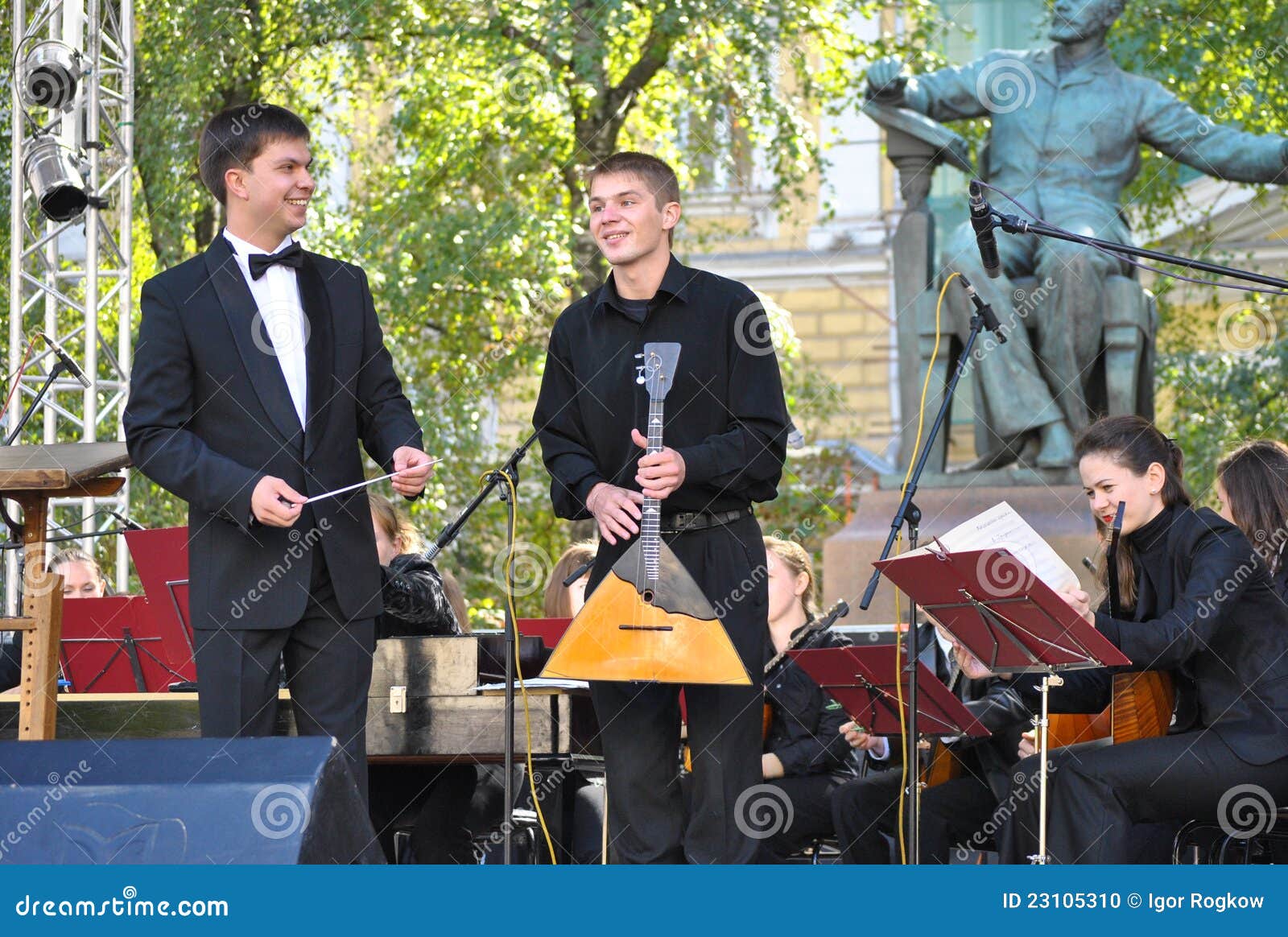
The Moscow Conservatory, founded in 1866, stands as a beacon of musical excellence and historical significance. Its legacy is intertwined with the development of Russian music and has produced a constellation of renowned musicians, composers, and conductors who have left an indelible mark on the global musical landscape.
The Concert at the Moscow Conservatory Editorial Image - Image of - Source www.dreamstime.com
The Conservatory's historical significance stems from its role as a catalyst for Russian musical nationalism. In the late 19th century, the institution became a breeding ground for composers such as Tchaikovsky, Rachmaninoff, and Scriabin, who incorporated Russian folk melodies and themes into their compositions, forging a distinct national identity in music.
The Conservatory's commitment to excellence has been unwavering throughout its history. Its rigorous curriculum, world-class faculty, and state-of-the-art facilities have nurtured generations of exceptional musicians. Alumni include pianists such as Vladimir Horowitz, Sviatoslav Richter, and Evgeny Kissin; violinists like David Oistrakh and Leonid Kogan; and conductors like Gennady Rozhdestvensky and Valery Gergiev.
The Moscow Conservatory continues to play a vital role in the musical world today. Its concert halls host performances by renowned orchestras and soloists, and its educational programs attract talented students from around the globe. As a bastion of musical excellence and historical significance, the Moscow Conservatory remains a testament to the enduring power of music to inspire, uplift, and connect people across cultures and generations.
Conclusion
The Moscow Conservatory's legacy as a bastion of musical excellence and historical significance is deeply intertwined with its role in shaping Russian musical identity, nurturing generations of exceptional musicians, and continuing to inspire and educate students and audiences alike.
The Conservatory's commitment to excellence, innovation, and the preservation of musical heritage ensures its enduring significance in the global music landscape. As it continues to produce outstanding musicians and contribute to the evolution of music, the Moscow Conservatory remains a beacon of cultural achievement, connecting the past to the present and inspiring future generations.