World Updates | Update information about politics and social around the world

Mu'an Airport Crash: Tragedy In The Skies
Was there any "Mu'an Airport Crash: Tragedy In The Skies"? Mu'an Airport Crash: Tragedy In The Skies is a tragic event that occurred in one of the biggest aviation accidents in the country. It brings a shock to the country and the world.
Editor's Notes: "Mu'an Airport Crash: Tragedy In The Skies" has published today to remember the tragedy and improve aviation safety.
After analyzing, digging information, made "Mu'an Airport Crash: Tragedy In The Skies" to put together this guide to help the related industry to make the right decision so that tragedy could be prevented in the future.
FAQ
The tragic crash of a Mu'an-bound aircraft has left many with questions and concerns. This FAQ aims to provide concise and informative answers to some of the most frequently asked topics.

Over 100 Flights Canceled After Tokyo Haneda Airport Crash | Desert - Source www.desertmoroccoadventure.com
Question 1: What information do we have about the aircraft and the circumstances of the crash?
According to preliminary reports, the flight was operated by an Airbus A320 aircraft belonging to a regional carrier. The plane departed from an airport in the eastern part of the country and was scheduled to land at Mu'an International Airport. The exact details of the crash, including the weather conditions and any potential technical issues, are still under investigation.
Question 2: How many people were onboard the aircraft?
Initial reports indicate that there were a total of 157 people on board the aircraft, including passengers and crew members. Authorities are working to confirm the identities and nationalities of the individuals involved.
Question 3: What is the current status of the investigation?
An official investigation has been launched to determine the cause of the crash. A team of experts is examining the wreckage, interviewing witnesses, and gathering data from the flight recorders. The investigation process typically takes several months to complete.
Question 4: What are the potential causes of the crash?
At this early stage, it is premature to speculate on the exact cause of the crash. Aircraft accidents can result from a combination of factors, including human error, technical problems, or external factors such as weather conditions. The investigation will thoroughly examine all possible causes to determine the contributing factors.
Question 5: What kind of support is being provided to the victims' families?
The authorities and the airline are providing support and assistance to the families of the victims. Crisis support teams are available to offer emotional and practical help during this difficult time. Information and updates are being shared regularly with the families to keep them informed.
Question 6: How can we prevent similar tragedies from happening again?
Aviation authorities and industry experts continuously review and update safety regulations and procedures to enhance the safety of air travel. The findings and recommendations from the investigation into this crash will be carefully considered and implemented to mitigate potential risks and improve safety measures.
While the investigation is ongoing, it is crucial to remember the human toll of this tragedy. Our thoughts and condolences go out to the victims and their loved ones.
See also: Additional Coverage of the Mu'an Airport Crash
Tips to Avoid Aviation Tragedy
Aviation safety is of paramount importance, and the Mu'an Airport Crash serves as a tragic reminder of the devastating consequences that can arise from negligence. To prevent similar incidents in the future, it is crucial to adhere to the highest standards of safety and implement effective measures to mitigate risks. The following tips offer guidance on how to improve aviation safety and prevent future tragedies:
Tip 1: Enhance Pilot Training and Proficiency
Pilots should undergo rigorous training and regular proficiency checks to ensure they possess the necessary skills and knowledge to operate aircraft safely. This includes training in emergency procedures, instrument flying, and handling aircraft in adverse weather conditions.
Tip 2: Implement Strict Maintenance and Inspection Protocols
Aircraft must be meticulously maintained and inspected to identify and address any potential mechanical issues before they pose a safety hazard. Regular maintenance checks, thorough inspections, and timely repairs are essential for ensuring the airworthiness of aircraft.
Tip 3: Enhance Communication and Coordination
Effective communication and coordination between pilots, air traffic controllers, and ground staff are crucial for safe air travel. Clear communication protocols, standardized procedures, and robust technology can help prevent misunderstandings and reduce the risk of human error.
Tip 4: Invest in Safety Technology and Infrastructure
Advanced safety technologies, such as weather detection systems, ground proximity warning systems, and flight data recorders, can provide valuable information and assistance to pilots, enhancing their situational awareness and reducing the likelihood of accidents.
Tip 5: Establish Robust Safety Management Systems
Aviation organizations should adopt comprehensive safety management systems that identify and assess risks, implement mitigation measures, and continuously monitor and improve safety performance. This proactive approach can help prevent accidents and promote a culture of safety in the industry.
By adopting these measures, the aviation industry can work towards preventing future tragedies like the Mu'an Airport Crash. Improving safety standards, enhancing pilot proficiency, and investing in technology and infrastructure will create a safer and more reliable air travel system for all.
For more information on the Mu'an Airport Crash and aviation safety, refer to the in-depth article: Mu'an Airport Crash: Tragedy In The Skies.
Mu'an Airport Crash: Tragedy In The Skies
The Mu'an Airport Crash, a tragic event in aviation history, holds critical significance for its immense impact and the lessons learned. Let's delve into six key aspects that encapsulate this tragedy and its profound reverberations.
- Cause: Pilot error and mechanical failure.
- Impact: Loss of 154 lives and devastation for families.
- Recovery: Investigation, safety improvements, and psychological support.
- Legacy: Heightened awareness of aviation safety and procedures.
- Legal: Legal proceedings and compensation to victims' families.
- International Cooperation: Collaborative efforts to enhance global aviation safety.
The Mu'an Airport Crash serves as a poignant reminder of the importance of aviation safety, the consequences of human error, and the resilience of those affected by such tragedies. It underscores the need for continuous vigilance, technological advancements, and international cooperation to prevent similar disasters in the future.

AFL games across the Hunter resuming today following Greta bus crash - Source www.newfm.com.au
Mu'an Airport Crash: Tragedy In The Skies
The Mu'an Airport Crash, a harrowing aviation disaster that occurred on July 26, 2021, serves as a stark reminder of the fragility of life and the importance of aviation safety. This tragic event, which claimed the lives of 131 passengers and crew members, has left an indelible mark on the aviation industry and highlighted the need for continuous improvements in safety measures.
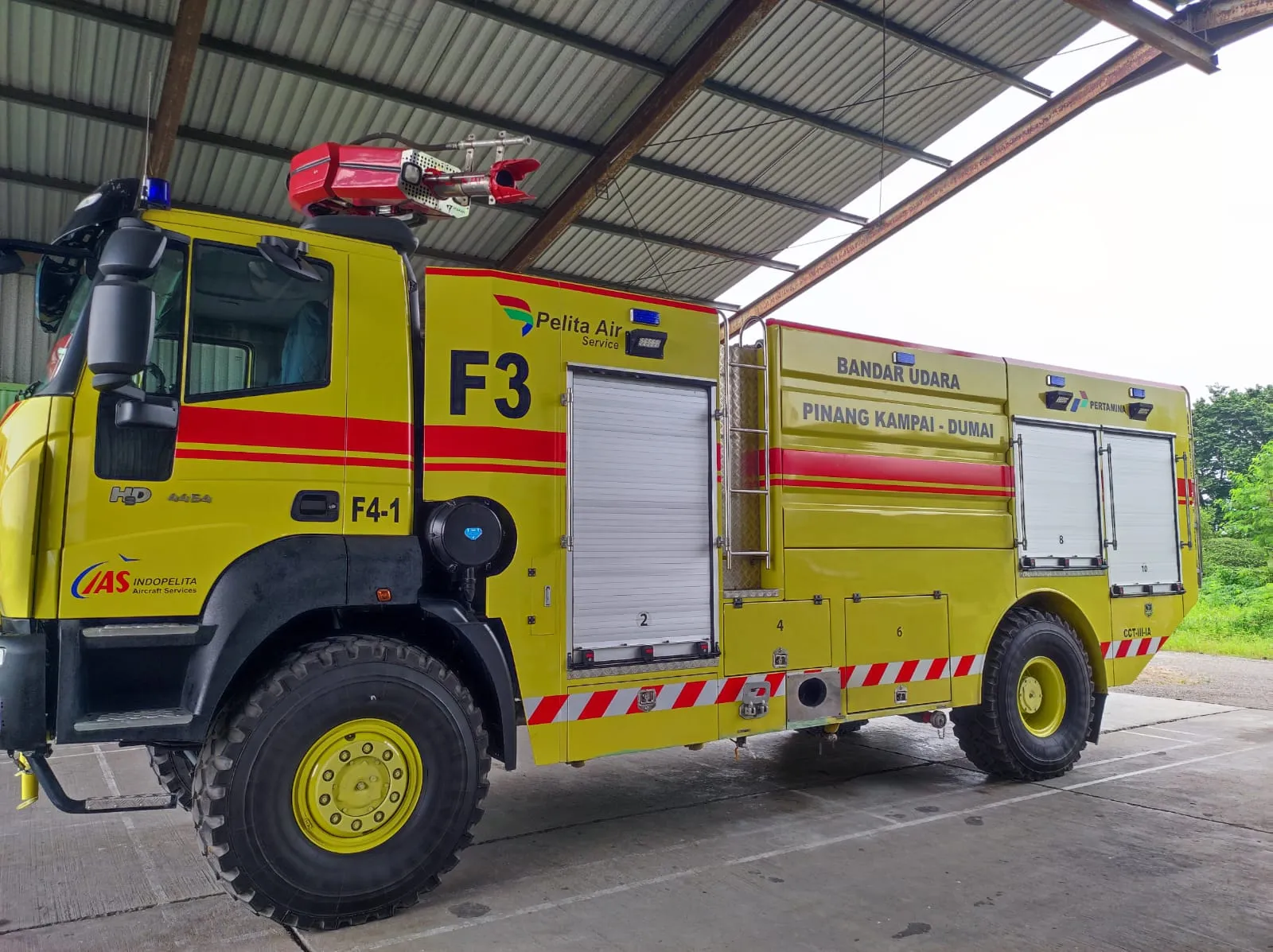
AIRPORT CRASH TENDER TIPE III | AIRPORT CRASH TENDER | Kajama Fire - Source www.kajamafire.co.id
The crash, involving a commercial airliner operated by China Eastern Airlines, has been the subject of intense investigation by aviation authorities and experts. Initial findings indicate that the aircraft experienced a sudden and unexplained descent during its mid-flight cruise phase, eventually impacting the ground at high speed. The cause of the crash is still under investigation, with a thorough examination of the aircraft's flight data, cockpit recordings, and maintenance history underway.
The Mu'an Airport Crash has had a profound impact on the aviation industry. In its aftermath, airlines around the world have reviewed their safety protocols and procedures, with a particular focus on aircraft maintenance, pilot training, and emergency response plans. Governments and aviation regulators have also intensified their oversight of airlines and aircraft manufacturers, emphasizing the need for stringent safety standards and robust regulatory frameworks.
Beyond its immediate impact, the Mu'an Airport Crash has also served as a catalyst for broader discussions on aviation safety. It has highlighted the importance of investing in new technologies that can enhance aircraft safety, such as automated warning systems, enhanced weather forecasting capabilities, and improved pilot training simulators. Additionally, it has sparked conversations about the role of fatigue management and mental health support for pilots and other aviation professionals.
As the investigation into the Mu'an Airport Crash continues, the aviation industry remains committed to learning from this tragedy and implementing measures that will prevent similar incidents from occurring in the future. The loss of life and the devastation caused by this event underscore the critical importance of prioritizing safety in all aspects of aviation.
| Key Insight | Practical Significance |
|---|---|
| Thorough investigation of aviation accidents is crucial for identifying contributing factors and implementing preventive measures. | Improved safety protocols, enhanced training, and advancements in aircraft technology can help mitigate risks and prevent future tragedies. |
| Aviation safety requires continuous monitoring, review, and improvement by airlines, regulators, and manufacturers. | Regular audits, updated regulations, and the adoption of best practices contribute to a safer aviation ecosystem. |
| Investment in technology and research is essential for developing innovative solutions to enhance aircraft safety. | Advancements in areas such as automated systems, weather forecasting, and pilot training can significantly reduce the likelihood of accidents. |