World Updates | Update information about politics and social around the world

South African Summer: Brace For Thunderstorms And Heat
South African summers are popular for their intense thunderstorms and heat. Amid the beauty of this season, it's crucial to be aware of these weather conditions.
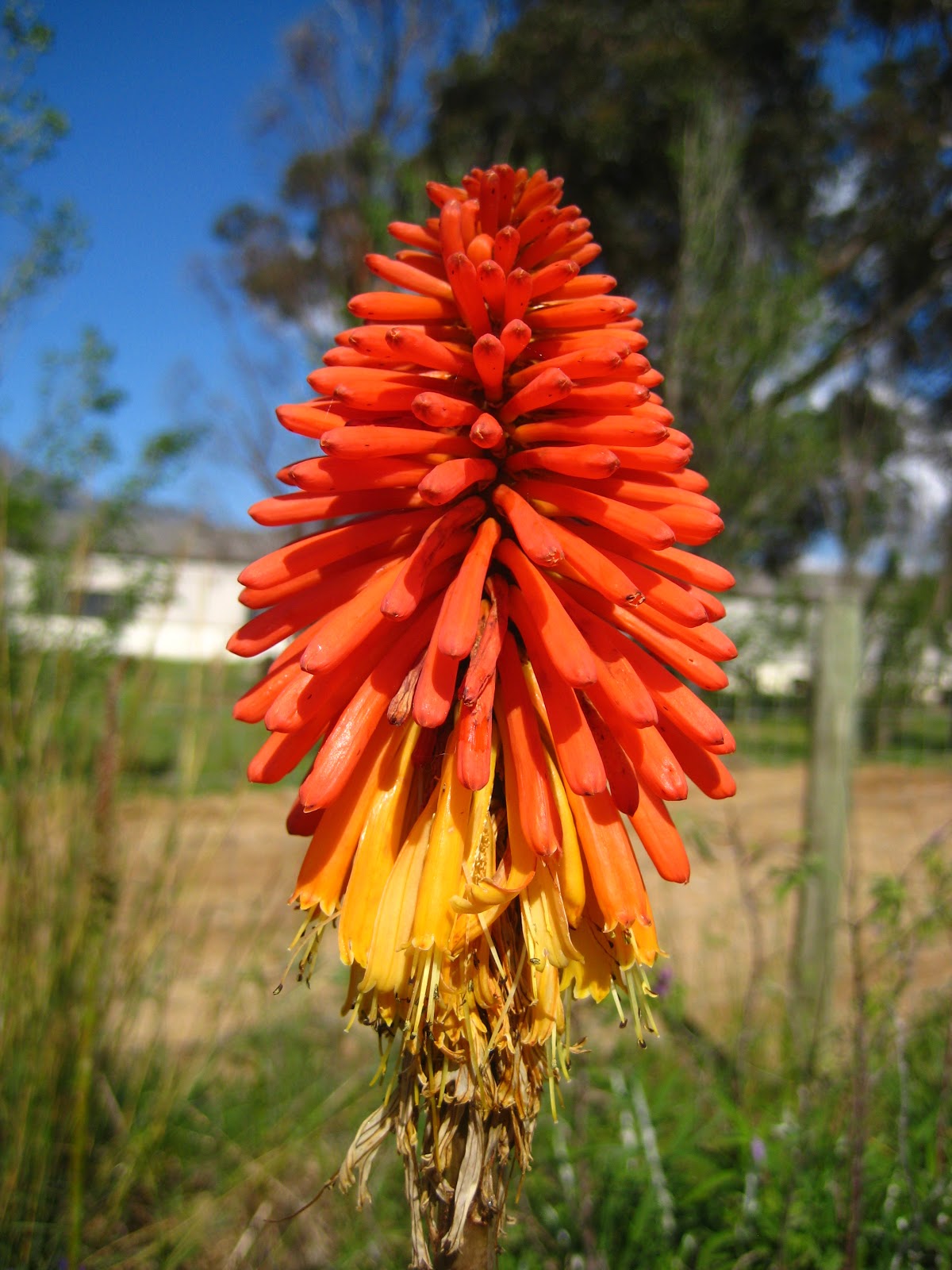
Catherine South: South African Summer Flowers - Source catherinesouth.blogspot.com
Editor's Note: "South African Summer: Brace For Thunderstorms And Heat" was published on [insert today's date]. This topic is imperative as it provides crucial information for South Africans to navigate the summer season safely.
Through careful analysis and research, we have compiled this guide to help you prepare for the summer's challenges. Understanding the potential risks and taking necessary precautions will ensure an enjoyable and safe season.
Key differences or Key takeaways:
| Thunderstorms | Heat |
| Bring heavy rainfall, lightning, and hail | Can cause dehydration, heatstroke, and sunburn |
| Can lead to flooding and power outages | May exacerbate existing health conditions |
| Seek shelter during thunderstorms | Stay hydrated, wear protective clothing, and avoid excessive sun exposure |
Transition to main article topics:
FAQ
This FAQ section provides answers to common questions and concerns regarding the upcoming summer season in South Africa, characterized by thunderstorms and heat.
Question 1: What are the safety precautions I should take during thunderstorms?
Answer: Seek shelter indoors, unplug electrical appliances, avoid swimming or bathing, and stay away from windows or doors that lead to the outside.
Question 2: How can I stay cool during the summer heat?
Answer: Wear loose, light-colored clothing, drink plenty of fluids, avoid strenuous activities during the hottest part of the day, and use fans or air conditioning to cool down.
Question 3: What are the health risks associated with prolonged exposure to heat?
Answer: Heat stroke, heat exhaustion, and dehydration are potential health risks. Symptoms include dizziness, nausea, and weakness.
Question 4: What are the signs of a heat-related illness?
Answer: Look for signs such as heavy sweating, rapid breathing, muscle cramps, and changes in mental status.
Question 5: How can I prepare my home for the summer heat?
Answer: Install insulation, use curtains or blinds to block sunlight, and consider using energy-efficient appliances.
Question 6: What steps should I take if I experience a power outage during a thunderstorm?
Answer: Turn off all appliances and electronics, contact the utility company, and stay informed about the outage status.
Remember, safety should be a top priority during the summer season. By following these precautions, you can minimize risks and enjoy the warm weather.

Easy South African Summer Trifle Recipe - Source myanosmickitchen.com
Tips
As the South African summer season approaches, it is crucial to prepare for the accompanying thunderstorms and heat, which can pose significant challenges. Follow these comprehensive tips to ensure safety and well-being during this period:
Tip 1: Stay Hydrated
Dehydration is a common risk during hot weather, especially during strenuous activities. Drink plenty of water, sports drinks, or electrolyte solutions throughout the day, even if you don't feel thirsty. Avoid sugary drinks like soda or juice, as they can contribute to dehydration.
Tip 2: Wear Loose, Breathable Clothing
Choose clothing made of natural fibers like cotton or linen, which allow air to circulate and keep you cool. Avoid synthetic materials that trap heat and moisture. Light-colored clothing reflects sunlight, while dark colors absorb it, so opt for pale shades when possible.
Tip 3: Protect Yourself from the Sun
Excessive sun exposure can lead to sunburn, skin damage, and heatstroke. Wear a hat with a wide brim to shade your face, neck, and ears. Apply sunscreen with an SPF of 30 or higher to exposed skin and reapply regularly, especially after swimming or sweating.
Tip 4: Seek Shade
During the hottest hours of the day, between 10 am and 4 pm, limit outdoor activities and seek shelter in air-conditioned areas or shaded spots. If you must be outdoors, find respite under trees, umbrellas, or awnings.
Tip 5: Be Aware of Thunderstorm Safety
Thunderstorms can bring lightning, hail, and torrential rain, so stay informed about weather forecasts and be prepared to take shelter if necessary. If you hear thunder, seek a sturdy building or enclosed vehicle and avoid open fields, high ground, and metal objects.
Tip 6: Monitor Heat-Related Illnesses
Heat-related illnesses, such as heat exhaustion and heatstroke, can develop quickly in hot weather. Be aware of the symptoms, including fatigue, dizziness, nausea, and headache. If you or someone you know experiences these symptoms, seek medical attention immediately.
Tip 7: Prepare Your Home
Ensure your home is adequately prepared for the heat and thunderstorms. Install air conditioning or fans, keep windows and doors open for ventilation, and cover windows with curtains or blinds to block direct sunlight. Have a battery-powered radio and flashlight on hand in case of power outages.
Tip 8: Be Prepared for Electrical Hazards
Lightning strikes can pose a significant risk during thunderstorms. Avoid using electrical appliances, do not touch metal objects, and stay away from windows and doors during a storm. If you see downed power lines, report them to the authorities and stay clear.
For more comprehensive information on summer safety, refer to the article: South African Summer: Brace For Thunderstorms And Heat
By following these tips, individuals can minimize the risks associated with South Africa's summer thunderstorms and heat and enjoy the season safely and comfortably.
South African Summer: Brace For Thunderstorms And Heat
South African summers are synonymous with extreme weather conditions, particularly thunderstorms and intense heat. These key aspects can impact various aspects of daily life and require preparedness to mitigate their effects.
- Lightning strikes: Thunderstorms bring an increased risk of lightning strikes, posing danger to life and property.
- Hailstorms: Accompanying thunderstorms, hailstones can cause damage to vehicles, crops, and infrastructure.
- Flooding: Heavy rainfall during thunderstorms can lead to flash floods, inundating low-lying areas and disrupting transportation.
- Excessive heat: Summer temperatures can soar, causing heat exhaustion, heatstroke, and discomfort.
- Humidity: High humidity levels can exacerbate the effects of heat, making it feel even hotter.
- Drought: In some regions, summer months bring extended periods of drought, affecting water availability and agriculture.
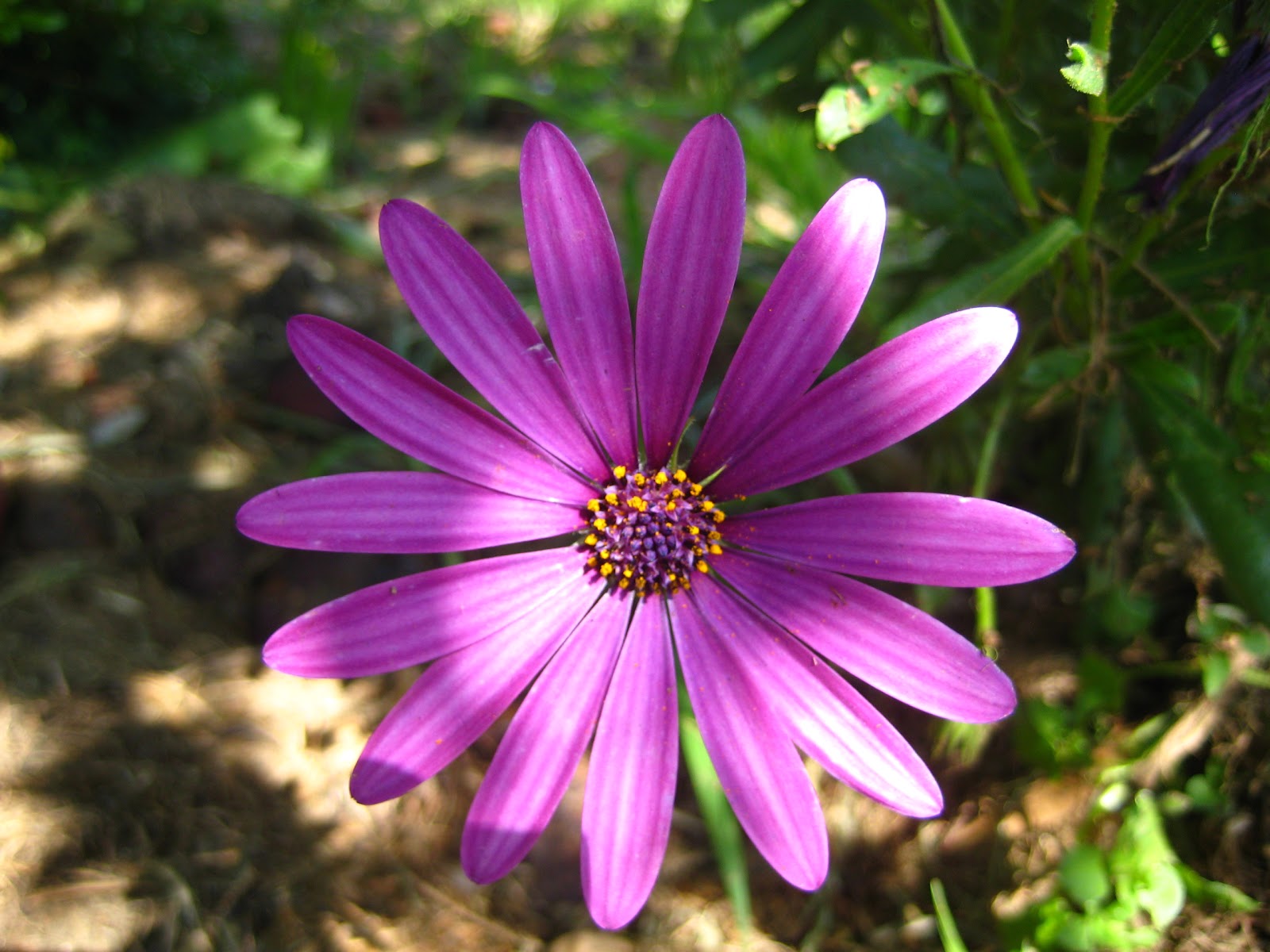
Catherine South: South African Summer Flowers - Source catherinesouth.blogspot.com
Understanding and preparing for these key aspects is crucial during the South African summer. Seeking shelter during thunderstorms, staying hydrated, and taking precautions against heat-related illnesses are essential. Additionally, monitoring weather forecasts and adhering to safety guidelines can help minimize the potential risks associated with these extreme weather conditions.

Easy South African Summer Trifle Recipe - Source myanosmickitchen.com
South African Summer: Brace For Thunderstorms And Heat
The South African summer is a time of extreme weather, with thunderstorms and heat being common occurrences. These conditions can be dangerous, causing damage to property and infrastructure, as well as posing a risk to human life. It is important to be aware of the risks associated with these weather conditions and to take steps to stay safe.

INSIDE: Durban’s yearly Flash Floods, Extreme Thunderstorms - Source www.thesouthafrican.com
Thunderstorms are caused by the rising of warm, moist air, which condenses to form clouds. As the clouds grow, they become unstable and lightning and thunder can occur. Thunderstorms can also produce hail and strong winds.
Heat is another common occurrence during the South African summer. Temperatures can reach up to 40 degrees Celsius (104 degrees Fahrenheit) in some areas. Heat can cause dehydration, heatstroke, and other health problems. It is important to stay hydrated and to avoid spending too much time in the sun.
If you are caught in a thunderstorm, it is important to seek shelter in a sturdy building. You should avoid standing under trees or near power lines. If you are caught in a heat wave, it is important to stay hydrated and to avoid strenuous activity.
By following these safety tips, you can help to stay safe during the South African summer.
Conclusion
The South African summer is a time of extreme weather, with thunderstorms and heat being common occurrences. These conditions can be dangerous, causing damage to property and infrastructure, as well as posing a risk to human life. It is important to be aware of the risks associated with these weather conditions and to take steps to stay safe.
By following these safety tips, you can help to stay safe during the South African summer.