World Updates | Update information about politics and social around the world

Tertius Bosch: Master Of South African Surrealism And Symbolism
Tertius Bosch: Master Of South African Surrealism And Symbolism
Who is Tertius Bosch? Tertius Bosch: Master Of South African Surrealism And Symbolism is significant title given to him due to his art work and recognition.
Editor's Notes: Tertius Bosch: Master Of South African Surrealism And Symbolism published recently and we explain who he is, and why he has received this title.
After doing some analysis, digging information, and putting together this guide, we help you understand about Tertius Bosch: Master Of South African Surrealism And Symbolism.
Key differences or Key takeways:
| Tertius Bosch | Surrealism And Symbolism |
|---|---|
| Born in South Africa | Art Movement |
| Known for his surreal and symbolic paintings | Focus on the subconscious mind |
| His work has been exhibited in galleries around the world | Often uses dreamlike imagery |
Transition to main article topics:
FAQ
This article delves into the captivating world of Tertius Bosch, a renowned master of South African Surrealism and Symbolism. Here, we present a comprehensive set of frequently asked questions (FAQs) to provide deeper insights into his artistry and legacy.
Question 1: How did Bosch's surrealist tendencies manifest in his work?
Bosch's surrealism is characterized by the juxtaposition of unexpected, often incongruous elements. He presented ordinary, recognizable objects in strange and distorted contexts, creating a sense of disorientation and inviting viewers to explore the subconscious and dreamlike realm.
Question 2: What is the significance of symbolism in Bosch's art?
Symbolism played a crucial role in conveying Bosch's deeper messages. He utilized symbolic imagery, such as masks, animals, and inanimate objects, to represent abstract concepts and emotional states. By incorporating symbols, Bosch created a multi-layered narrative that encouraged viewers to interpret and decode his works.
Question 3: What are some of the themes commonly explored in Bosch's art?
Bosch's works often explored themes of mortality, spirituality, and the human condition. He depicted the fragility of life, the duality of good and evil, and the complexities of human nature. Bosch's art frequently delved into the realm of the supernatural and the occult, reflecting his fascination with the unknown.
Question 4: How did Bosch's South African heritage influence his artistic style?
While Bosch was born in the Netherlands, his South African upbringing significantly shaped his artistic perspective. The vibrant colors and diverse landscapes of his homeland are evident in his works. Moreover, the cultural influences he experienced, such as African folklore and spiritual beliefs, enriched his imagination and contributed to the unique flavor of his art.
Question 5: What is Bosch's legacy in the art world?
Tertius Bosch is considered one of the most influential artists of his time. His groundbreaking approach to Surrealism and Symbolism paved the way for subsequent generations of artists. His works have been exhibited in prestigious museums worldwide and continue to inspire and captivate audiences with their enigmatic imagery and profound symbolism.
Question 6: What are some of the challenges faced by Bosch as a surrealist artist?
Surrealism, as an avant-garde movement, faced resistance and criticism from traditional art circles. Bosch's unconventional style and subject matter often provoked mixed reactions. However, he remained steadfast in his artistic vision, using his art as a means to challenge societal norms and explore the depths of the human psyche.
In conclusion, Tertius Bosch's mastery of Surrealism and Symbolism has left an indelible mark on the art world. Through his enigmatic imagery and profound symbolism, he invited viewers into a realm of dreams, subconscious exploration, and philosophical inquiry. His works continue to fascinate and inspire, showcasing the boundless power of human imagination.
Explore more of Tertius Bosch's captivating artwork in the next section.
Tips
Take inspiration from Tertius Bosch: Master Of South African Surrealism And Symbolism to incorporate surrealism and symbolism into your own artistic style.
Tip 1: Embrace the Subconscious
Allow your subconscious mind to guide your creative process. Explore dreams, memories, and free associations to uncover unexpected and imaginative imagery.
Tip 2: Use Metaphor and Symbolism
Infuse your work with metaphorical and symbolic elements to convey complex ideas and emotions. Consider using objects, colors, or gestures to represent abstract concepts.
Tip 3: Juxtapose Disparate Elements
Create unexpected and intriguing juxtapositions by combining contrasting elements, such as the mundane and the fantastic, or the familiar and the unknown.
Tip 4: Experiment with Perspective
Challenge conventional perspectives by using distorted viewpoints, exaggerated scales, or fragmented compositions.
Tip 5: Tap into the Uncanny
Evoke a sense of unease and wonder by creating images that are both familiar and unsettling. Use subtle distortions or unexpected juxtapositions to provoke a feeling of the uncanny.
Tip 6: Pay Attention to Detail
Surrealism often involves intricate and meticulous details. By carefully crafting your imagery, you can create a sense of tangible reality within an otherworldly setting.
Tip 7: Explore the Liminal
Delve into the liminal spaces between reality and fantasy, order and chaos. Create images that evoke a sense of transition and ambiguity.
Tip 8: Be Receptive to the Unexpected
Embrace the unexpected and allow your imagination to wander freely. Don't be afraid to experiment and challenge conventions to create truly unique and evocative surrealist works.
Incorporating these tips into your art can help you develop a distinct and captivating style influenced by the surrealist and symbolic mastery of Tertius Bosch.
Tertius Bosch: Master Of South African Surrealism And Symbolism
Tertius Bosch, a renowned South African artist, has significantly influenced the artistic landscape of his country through his unique blend of surrealism and symbolism. His works explore profound themes, offering insightful commentary on the human condition, societal issues, and the complexities of the subconscious mind.

A comprehensive look at South African femme artists practicing - Source bubblegumclub.co.za
- Surrealist Imagery: Bosch's paintings incorporate dreamlike, subconscious elements, often juxtaposed in unexpected ways, creating a sense of disorientation and wonder.
- Symbolic Figures: His works are populated by symbolic figures, animals, and objects, each imbued with multiple layers of meaning, inviting viewers to decipher their hidden narratives.
- Exploration of Identity: Bosch's art delves into the complexities of personal and collective identity, examining the interplay between the conscious and unconscious mind.
- Socio-Political Commentary: Through his paintings, Bosch addresses social and political issues, often using satire and allegory to convey his messages.
- Subconscious Landscapes: His surrealist landscapes serve as metaphors for the inner workings of the human mind, reflecting the interplay of emotions, thoughts, and dreams.
- Legacy and Influence: Bosch's unique style has influenced generations of South African artists, solidifying his status as a pivotal figure in the development of the country's art history.
Tertius Bosch's artistic vision continues to captivate and challenge viewers. His paintings offer a glimpse into the realms of the subconscious and the complexities of the human experience. Through his masterful use of surrealism and symbolism, Bosch invites us to question our perceptions, explore the hidden dimensions of our minds, and engage with the world around us in new and thought-provoking ways.

BOSCH: Master Gourmet Brochure on Behance - Source www.behance.net
Tertius Bosch: Master Of South African Surrealism And Symbolism
Tertius Bosch was a groundbreaking South African artist known for his surrealist and symbolist works. His art often explored themes of identity, sexuality, and the subconscious mind. Bosch's work was influenced by both Western and African art forms, creating a unique and distinctive style.
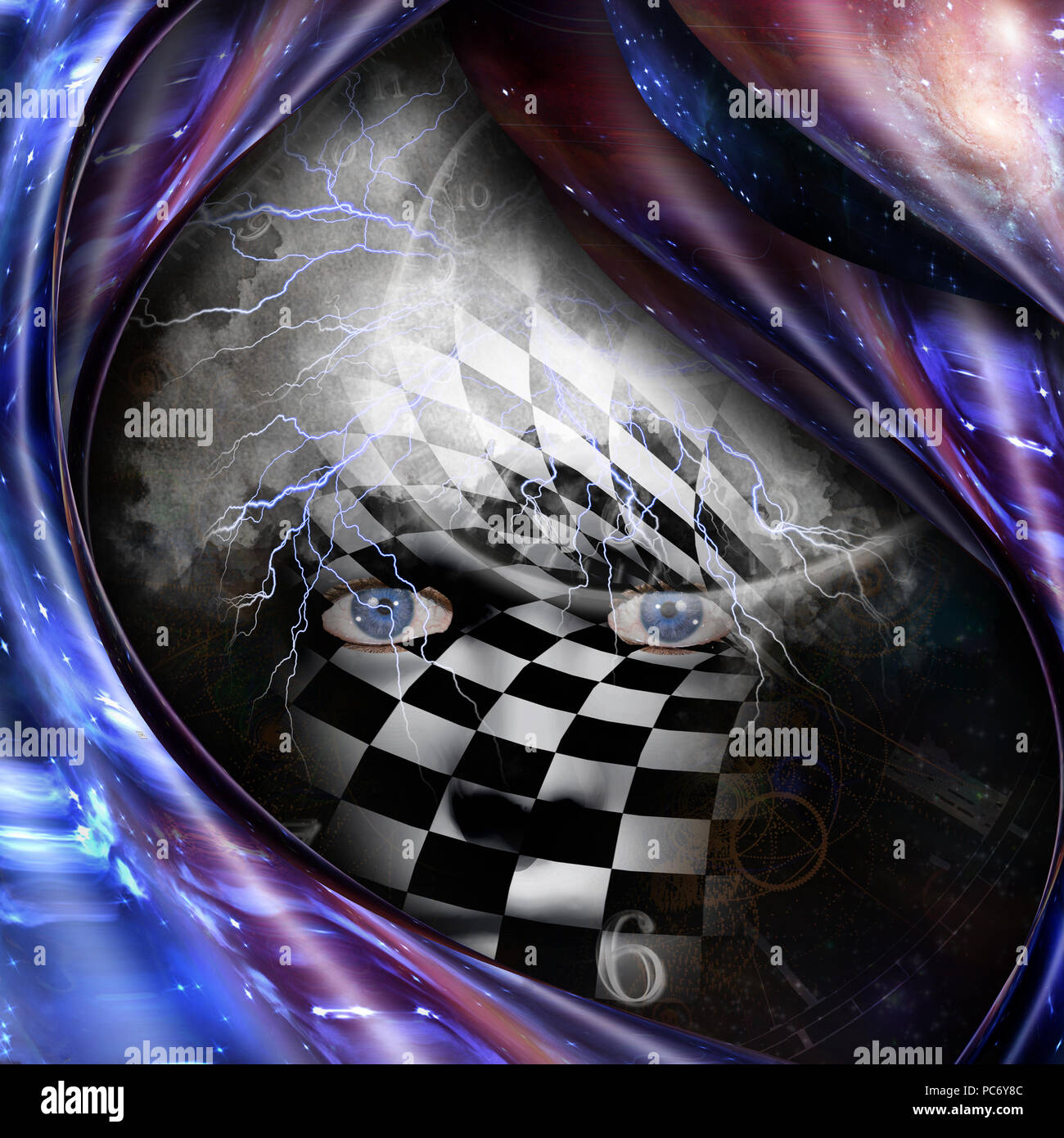
Surrealism and symbolism. Time spirals and checkered face. 3D rendering - Source www.alamy.com
His surrealist works often depicted strange and dreamlike imagery, while his symbolist works used symbols and metaphors to convey deeper meanings. Bosch's art was controversial during his lifetime, but he is now considered one of the most important South African artists of the twentieth century.
Conclusion
Tertius Bosch's art is a powerful and unique exploration of the human condition. His work continues to inspire and challenge viewers today.