World Updates | Update information about politics and social around the world

Tracking The Exchange Rate: Euro To Ruble Fluctuations And Analysis
Is Tracking The Exchange Rate: Euro To Ruble Fluctuations And Analysis Useful?
The exchange rate between the euro and the ruble is an important determinant of the cost of goods and services between the two currencies. As a result, businesses and individuals need to be aware of the factors that affect the exchange rate and how it might fluctuate in the future.
There are a variety of factors that can affect the exchange rate between the euro and the ruble. These include:
| Factor | How it affects the exchange rate |
|---|---|
| Economic growth | A strong economy will lead to a higher exchange rate for the currency of that country. |
| Interest rates | Higher interest rates will make the currency of that country more attractive to investors, leading to a higher exchange rate. |
| Political stability | Political instability can lead to a lower exchange rate for the currency of that country. |
| Inflation | Higher inflation will lead to a lower exchange rate for the currency of that country. |
| Supply and demand | The exchange rate is also affected by the supply and demand for the two currencies. |
FAQ
This section provides answers to frequent inquiries regarding exchange rate fluctuations between the euro and the Russian ruble.

Ruble exchange rate. stock image. Image of life, foreign - 49012897 - Source www.dreamstime.com
Question 1: What factors influence euro-ruble exchange rate fluctuations?
Answer: The euro-ruble rate is influenced by a range of economic, political, and social factors, including interest rates, inflation, economic growth, geopolitical events, and central bank policies.
Question 2: How can I track current and historical exchange rates?
Answer: Real-time and historical exchange rates are readily available online through reputable sources such as currency converters, financial news websites, and central banks' websites.
Question 3: What are the potential risks and benefits of investing in euro-ruble exchange rate fluctuations?
Answer: Investing in currency fluctuations carries both risks and potential rewards. Potential benefits include profit from favorable exchange rate movements, while risks include potential losses due to adverse movements.
Question 4: How do central banks influence the euro-ruble exchange rate?
Answer: Central banks can intervene in the foreign exchange market by buying or selling euros or rubles, thereby influencing the supply and demand dynamics and affecting the exchange rate.
Question 5: What are the long-term trends in the euro-ruble exchange rate?
Answer: Long-term trends in the euro-ruble exchange rate are influenced by broader economic and political factors, including global economic growth, geopolitical events, and the overall strength of the euro and ruble economies.
Question 6: How can I stay informed about the latest news and analysis on euro-ruble exchange rate fluctuations?
Answer: Stay informed by subscribing to financial news sources, monitoring central bank announcements, and following reputable analysts who provide insights and forecasts on currency markets.
By understanding these factors, you can navigate the euro-ruble exchange rate fluctuations more effectively, make informed decisions, and potentially mitigate risks while pursuing opportunities.
To delve deeper into this topic, we recommend exploring the following article section: [Link to Section 2]
Tips
To stay informed about the latest exchange rate fluctuations between the euro and the ruble, consider these tips:
Tip 1: Tracking The Exchange Rate: Euro To Ruble Fluctuations And Analysis provides comprehensive insights into historical and real-time exchange rates.
Tip 2: Monitor reputable financial news agencies and websites for up-to-date information on market trends.
Tip 3: Utilize currency conversion tools and apps to track live rates and set alerts for desired exchange rates.
Tip 4: Subscribe to email newsletters or follow social media accounts of currency experts for market updates and analysis.
Tip 5: Consult with a financial advisor or exchange broker to understand the factors influencing currency fluctuations.
Key Takeaways: By following these tips, you can stay abreast of the euro-ruble exchange rate and make informed decisions when exchanging currencies.
In conclusion, understanding the euro-ruble exchange rate is essential for businesses, travelers, and anyone engaged in cross-border transactions. By implementing these tips, you can access reliable information and stay updated on the latest currency fluctuations.
Tracking The Exchange Rate: Euro To Ruble Fluctuations And Analysis
Understanding the dynamics of the Euro to Ruble exchange rate is crucial for businesses and individuals engaged in cross-border transactions. Key aspects to consider include:
- Economic Factors: Interest rates, inflation, GDP growth impact exchange rates.
- Political Events: Geopolitical events can cause sharp fluctuations.
- Supply and Demand: Changes in demand for Euros or Rubles affect prices.
- Central Bank Decisions: Monetary policy decisions influence currency values.
- Technical Analysis: Chart patterns and indicators aid in predicting trends.
- Market Sentiment: Perceptions and expectations can influence exchange rates.
Tracking these aspects enables businesses to make informed decisions regarding currency hedging, investment strategies, and minimizing foreign exchange risk. For example, if economic indicators suggest a Ruble strengthening against the Euro, businesses may delay purchases from European suppliers, minimizing potential currency losses. Additionally, by understanding market sentiment and technical indicators, traders can optimize their strategies based on predicted exchange rate movements.
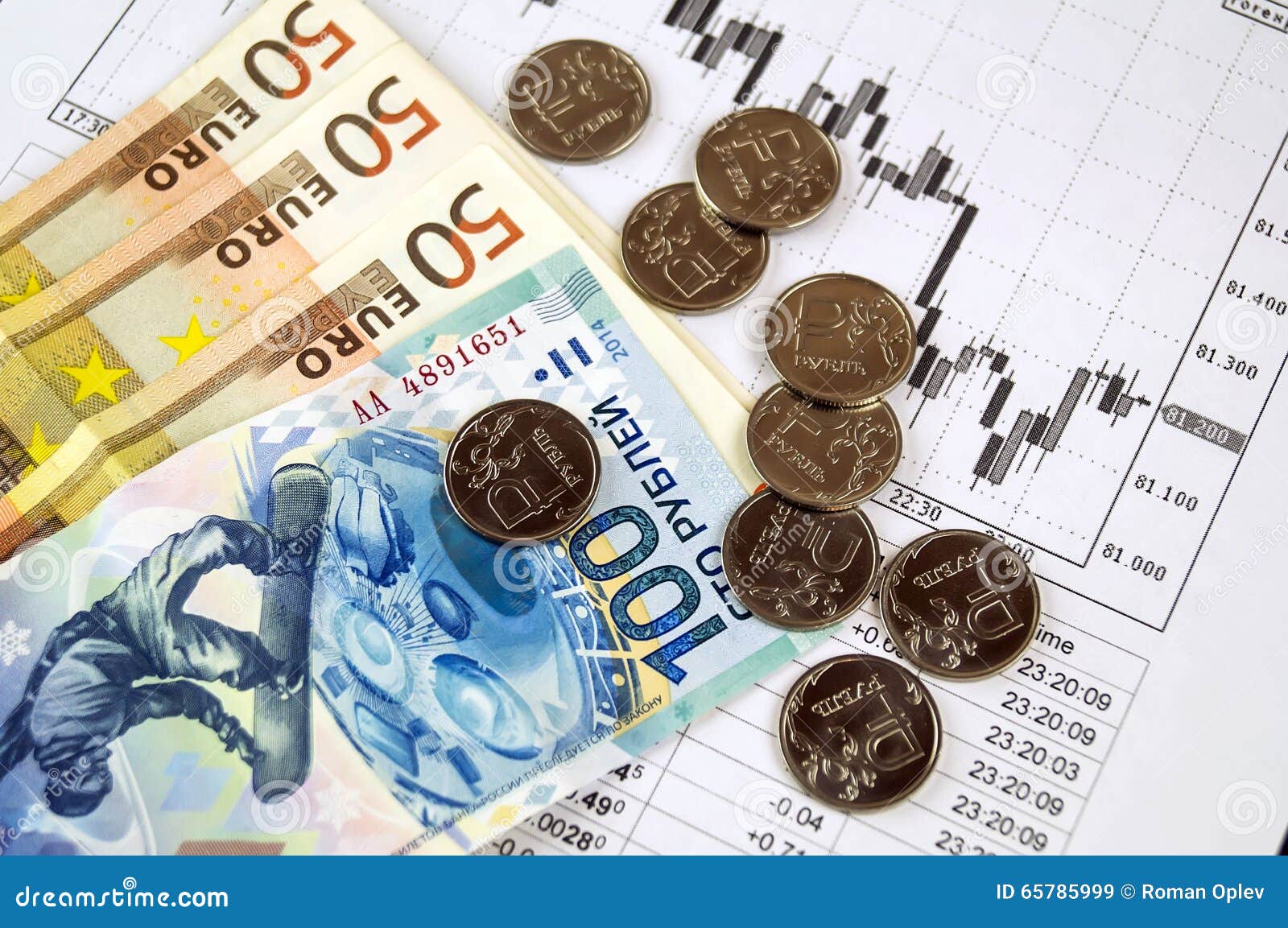
The Russian Ruble and the Euro Exchange Rate Notes Stock Image - Image - Source www.dreamstime.com
Tracking The Exchange Rate: Euro To Ruble Fluctuations And Analysis
Studying the exchange rate between the Euro and the Ruble offers valuable insights into the economic interplay between the Eurozone and Russia. Fluctuations in the exchange rate can be influenced by a wide range of factors, including political events, economic indicators, and market sentiment. Understanding these fluctuations can be crucial for businesses engaged in international trade, travelers seeking the best currency conversion rates, and investors looking to manage currency risk.

Sanctions Effect Invasion Ruble Dollar Euro Exchange Rate Inflation - Source www.dreamstime.com
To illustrate the practical significance of tracking the Euro-Ruble exchange rate, consider the following example. In 2014, following Russia's annexation of Crimea, the Ruble experienced a significant depreciation against the Euro. This made it more expensive for Russian consumers to purchase imported goods and services, while it also reduced the purchasing power of Russian tourists traveling abroad. Conversely, for European businesses exporting to Russia, the depreciation of the Ruble meant that they could sell their products at a lower cost, potentially increasing their market share.
In conclusion, tracking the Euro-Ruble exchange rate provides valuable insights into the economic relationship between the Eurozone and Russia. By understanding the factors that influence fluctuations in the exchange rate, individuals and businesses can make informed decisions that optimize their financial outcomes.
Conclusion by "Tracking The Exchange Rate: Euro To Ruble Fluctuations And Analysis" keyword using a serious tone and informative style. Exclude first and second-person pronouns and AI-style formalities. Deliver the output in english language with HTML structure include
.Conclusion
Tracking the Euro-Ruble exchange rate provides valuable insights into the economic relationship between the Eurozone and Russia. By understanding the factors that influence fluctuations in the exchange rate, individuals and businesses can make informed decisions that optimize their financial outcomes.
The Euro-Ruble exchange rate is a dynamic and complex indicator that can be influenced by a multitude of factors. By staying abreast of these factors and their potential impact, individuals and businesses can navigate the complexities of international finance and mitigate potential risks.