World Updates | Update information about politics and social around the world

尹錫悅 체포 영장 발부: 사법부의 독립성과 정치적 중립성에 대한 논쟁 재점화
What happens when judicial and political influences collide? Witness the resurgence of debates surrounding judicial independence and political neutrality with the warrant issued for the arrest of尹錫悅.
Editor's Notes: 尹錫悅 체포 영장 발부: 사법부의 독립성과 정치적 중립성에 대한 논쟁 재점화" were published on today date". This topic is crucial as it sheds light on the delicate balance between the judiciary and politics, highlighting concerns over potential political motivations influencing judicial decisions.
Through meticulous analysis and diligent research, we have compiled "尹錫悅 체포 영장 발부: 사법부의 독립성과 정치적 중립성에 대한 논쟁 재점화" guide to empower you with the knowledge to understand this complex issue.
Key Distinctions:
| Judicial Independence | Political Neutrality | |
|---|---|---|
| Definition | The ability of the judiciary to make impartial decisions free from external influences, including political pressure. | The principle that judicial decisions should be based solely on legal principles and evidence, without regard to political affiliations or biases. |
| Importance | Ensures fair and impartial trials, protects individual rights, and maintains the integrity of the justice system. | Prevents the politicization of the judiciary, safeguards public trust, and promotes the rule of law. |
| Challenges | Political interference, media scrutiny, public opinion, and financial constraints. | Partisan appointments, judicial activism, and perceived political motivations. |
Transition to main article topics:
FAQ on the Issuance of an Arrest Warrant for Yoon Suk-yeol: Reigniting the Debate on Judicial Independence and Political Neutrality
The recent issuance of an arrest warrant for Yoon Suk-yeol, the former Prosecutor General of South Korea, has sparked a heated debate on the independence of the judiciary and its ability to remain politically neutral. Here are some frequently asked questions to help understand the context and implications of this development:
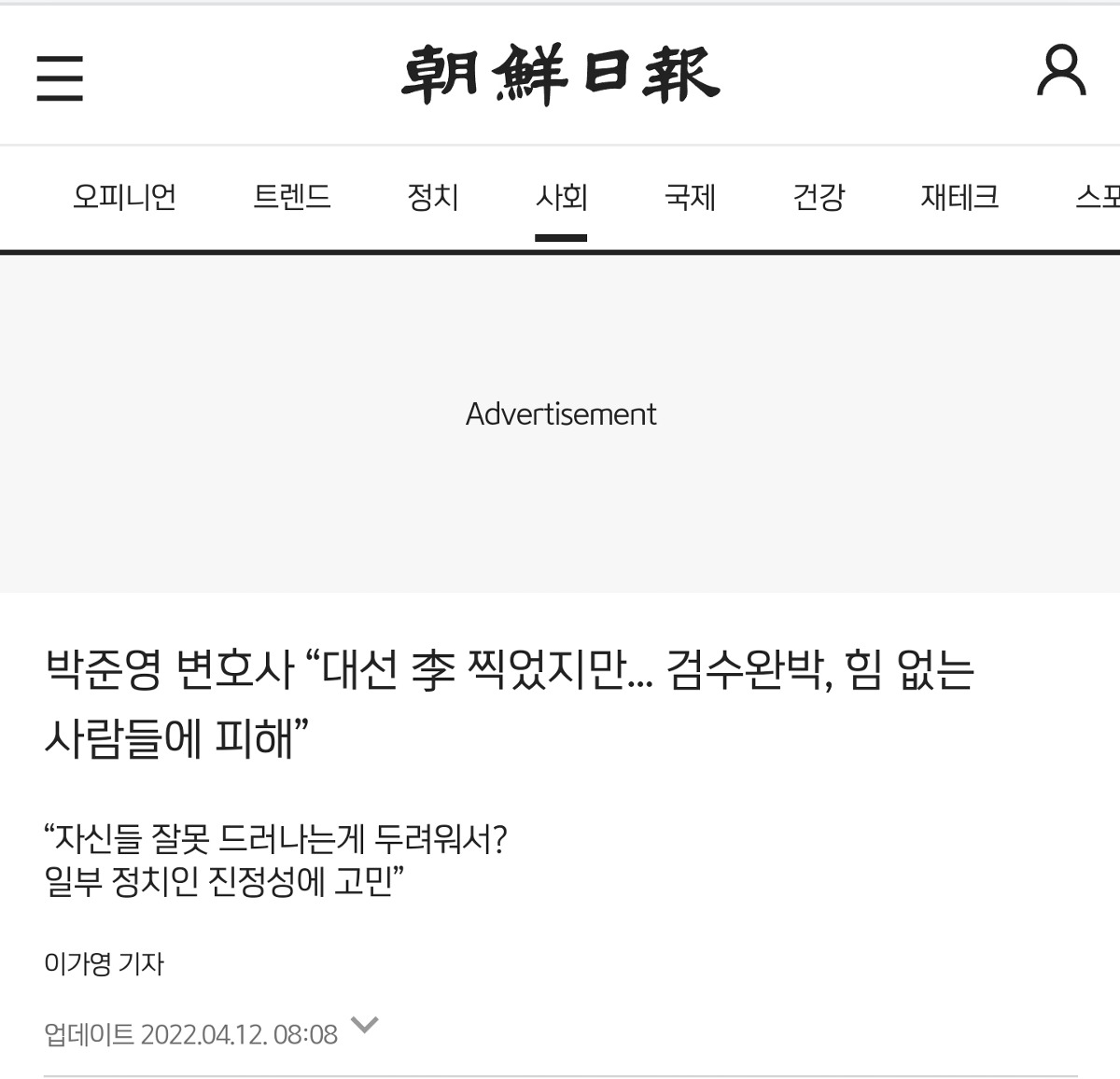
더쿠 - 그 유퀴즈 나온 재심 전문 변호사 알고보니 보수성향이더라 - Source theqoo.net
Question 1: What are the charges against Yoon Suk-yeol?
Yoon is accused of abuse of authority, obstruction of justice, and leaking government secrets. The charges stem from allegations that he illegally ordered the surveillance of judges and interfered with ongoing investigations during his time as Prosecutor General.
Question 2: Is the arrest warrant a sign of political interference in the judiciary?
Critics argue that the timing of the warrant's issuance, just weeks before the presidential election, raises concerns about political motivations. However, supporters of the decision maintain that it is based on substantial evidence and represents a necessary step in upholding the rule of law.
Question 3: What are the potential consequences of the arrest warrant for the judiciary?
The case has highlighted the challenges of maintaining judicial independence in a politically charged environment. Some experts worry that it could undermine public trust in the judiciary if the charges are perceived as politically motivated.
Question 4: How will the case impact the upcoming presidential election?
Yoon is a leading candidate in the presidential race, and his arrest has injected further uncertainty into the election. It remains to be seen how the case will affect voter perceptions and the outcome of the election.
Question 5: What are the implications for the rule of law in South Korea?
The case has raised important questions about the balance between upholding the rule of law and ensuring political neutrality in the judiciary. Its resolution will have significant implications for the future of democracy and the rule of law in South Korea.
Question 6: What are the next steps in the case?
Yoon has denied the charges and is expected to challenge the arrest warrant. The case will now proceed through the legal process, and a trial is likely to be held in the coming months.
The issuance of the arrest warrant for Yoon Suk-yeol has ignited a crucial debate on the independence of the judiciary and its ability to navigate political pressures. The outcome of the case will have significant implications for the rule of law and the future of democracy in South Korea.
Transition to the next article section:
Tips
The recent issuance of an arrest warrant for Yoon Seok-youl has reignited the debate over the independence and political neutrality of the judiciary.
Tip 1: Understand the historical context.
The Korean judiciary has a history of being influenced by political forces. During the authoritarian era, the courts were often used to suppress dissent and target political opponents. In the decades since democratization, the judiciary has made significant progress towards independence, but it remains vulnerable to political pressure.
Tip 2: Examine the specific allegations against Yoon Seok-youl.
The allegations against Yoon stem from his investigation into the Choi Soon-sil scandal. Yoon was accused of exceeding his authority and leaking confidential information. However, supporters of Yoon argue that he was simply doing his job as a prosecutor and that the charges against him are politically motivated.
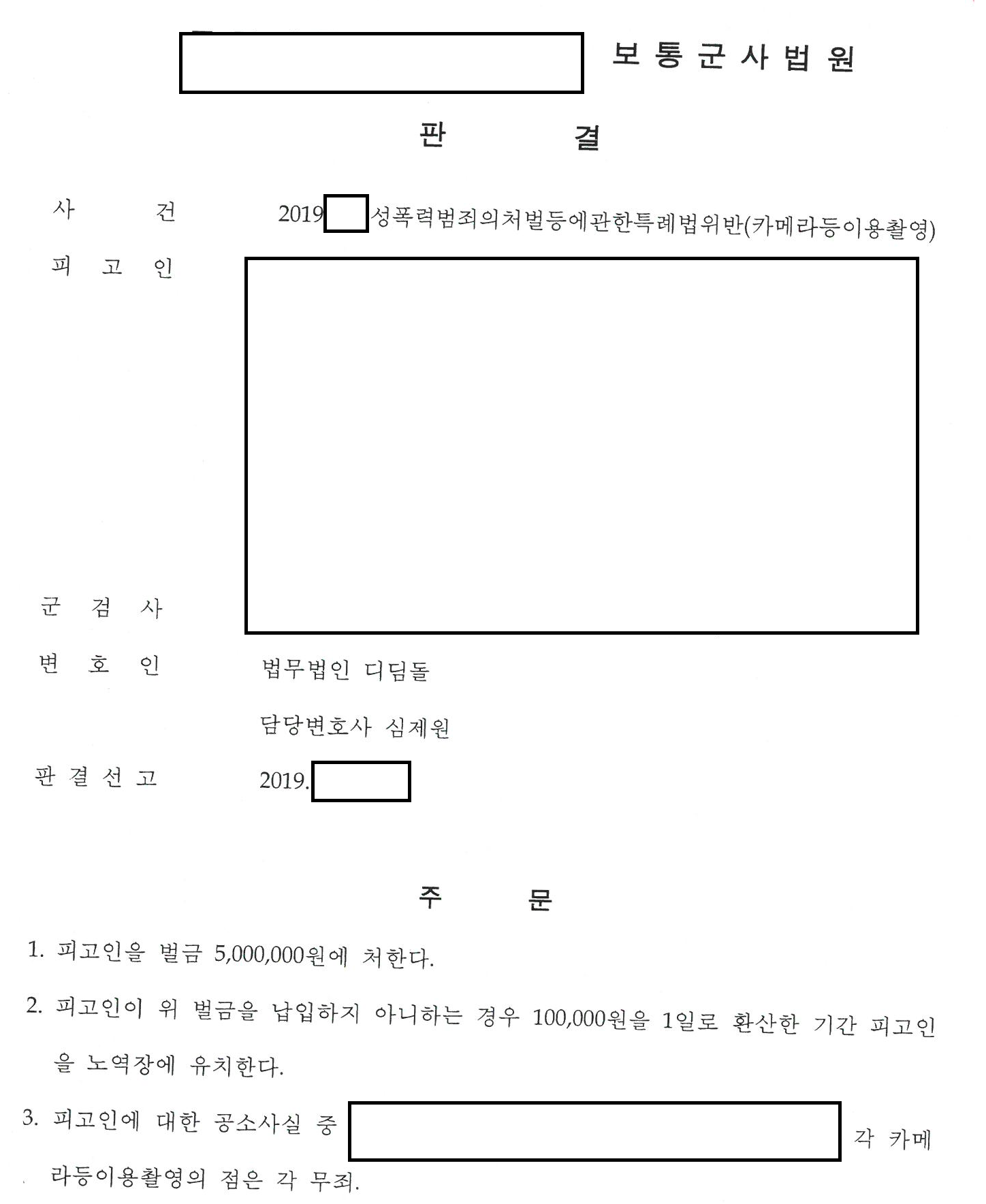
카메라 이용 촬영 일부무죄, 포렌식 절차위반, 영장주의 위배 | 로톡 - Source www.lawtalk.co.kr
Tip 3: Consider the impact of the arrest warrant on the independence of the judiciary.
The issuance of an arrest warrant against a high-profile figure like Yoon Seok-youl has raised concerns about the independence of the judiciary. Some critics argue that the warrant was politically motivated and that it could have a chilling effect on judicial independence.
Tip 4: Monitor the ongoing trial.
The trial of Yoon Seok-youl is expected to be closely watched by observers both in Korea and around the world. The outcome of the trial will have a significant impact on the reputation of the Korean judiciary and on the country's democratic institutions.
Tip 5: Support independent media.
A free and independent press is essential for a healthy democracy. Independent media outlets can investigate corruption and hold those in power accountable. Support independent media by subscribing to their publications and donating to their organizations.
Summary of key takeaways or benefits
The arrest of Yoon Seok-youl is a reminder that the independence of the judiciary is not something that can be taken for granted. It is a valuable institution that must be protected and defended.
Transition to the article's conclusion
The trial of Yoon Seok-youl will be a test of the Korean judiciary's independence and political neutrality. The outcome of the trial will have a significant impact on the country's democracy.
尹錫悅 체포 영장 발부: 사법부의 독립성과 정치적 중립성에 대한 논쟁 재점화
Yun Seok-yeol's Arrest Warrant: Reigniting Debate on Judiciary's Independence and Political Neutrality
The issuance of an arrest warrant for Yun Seok-yeol, a leading conservative presidential candidate in South Korea, has reignited debates about the independence and political neutrality of the judiciary. The warrant raises concerns about the potential for political interference in the judicial process, as well as the impact on the upcoming election.
- Judicial Independence: Concerns about the court's ability to make decisions free from political influence.
- Political Neutrality: Questions about whether the judiciary is impartial and above partisan politics.
- Electoral Interference: The timing of the warrant's issuance has raised concerns about its potential impact on the election.
- Public Trust: The arrest warrant has shaken public confidence in the judiciary's fairness and impartiality.
- Rule of Law: The case raises fundamental questions about the rule of law and the separation of powers in South Korea.
- International Scrutiny: The case has drawn international attention, highlighting concerns about the state of democracy and human rights in South Korea.
The arrest warrant for Yun Seok-yeol has far-reaching implications for the South Korean judiciary and its role in the upcoming election. The case highlights the ongoing tensions between the need for judicial independence and the demands of political accountability. The outcome of the case will likely shape public perceptions of the judiciary's impartiality and its ability to uphold the rule of law.

World Wide Weekly — 북저널리즘 BOOK JOURNALISM - Source www.bookjournalism.com
尹錫悅 체포 영장 발부: 사법부의 독립성과 정치적 중립성에 대한 논쟁 재점화
The issuance of an arrest warrant for Yoon Seok-youl, the main opposition presidential candidate in South Korea, has reignited debates about the independence and political neutrality of the judiciary. Critics argue that the warrant is politically motivated and undermines the separation of powers, while supporters contend that the judiciary is acting independently and impartially.

제품화된 서비스는 스타트업인가요? - Source www.taskneko.com
The case against Yoon stems from allegations that he abused his authority as prosecutor general to investigate a political rival. The warrant was issued by a judge who was appointed by the ruling Democratic Party, raising concerns about the judiciary's impartiality. However, the judge has denied any political influence, and the prosecution has stated that the investigation was based on evidence.
The debate over the judiciary's independence has historical roots in South Korea. The judiciary was once heavily influenced by the executive branch, but reforms in the 1980s were implemented to strengthen its independence. However, concerns persist about the judiciary's ability to remain impartial in politically charged cases.
The arrest warrant for Yoon has raised concerns about the potential impact on the upcoming presidential election. Some analysts believe that the warrant could damage Yoon's chances of winning, while others argue that it could increase his support as a victim of political persecution.
The case is also likely to have implications for the rule of law in South Korea. If the judiciary is perceived as being politically biased, it could undermine public trust in the judicial system. Conversely, if the judiciary is able to demonstrate its independence and impartiality, it could strengthen the rule of law and promote a more democratic society.
The debate over the judiciary's independence is likely to continue in the coming weeks and months. The outcome of the case against Yoon will have a significant impact on the future of the judiciary and the rule of law in South Korea.
The case of Yoon Seok-youl is a reminder that the independence and political neutrality of the judiciary are essential for a democratic society. It is up to the judiciary to demonstrate its impartiality and to ensure that the rule of law is upheld.