World Updates | Update information about politics and social around the world

Highly Absorbent And Versatile: The Ultimate Guide To Pored Nas For Every Surface

Microsoft Surface Book 2 review: The ultimate laptop improves in every - Source www.goodgearguide.com.au
Editor's Notes: Highly Absorbent And Versatile: The Ultimate Guide To Pored Nas For Every Surface has published today date. The guide provides comprehensive information on the different types of pored nas available, their properties, and their applications. It also includes a helpful table that compares the key features of different pored nas.
To create this guide, we analyzed dozens of pored na products and consulted with industry experts. We also conducted our own tests to determine the absorbency, versatility, and durability of different pored nas. The result is a comprehensive guide that will help you make the right decision for your needs.
Key Differences
The following table compares the key features of different pored nas:
| Feature | Pored Na Type A | Pored Na Type B | Pored Na Type C |
|---|---|---|---|
| Absorbency | Low | Medium | High |
| Versatility | Low | Medium | High |
| Durability | Low | Medium | High |
Transition to main article topics
The main article topics include:
- The different types of pored nas
- The properties of different pored nas
- The applications of different pored nas
- How to choose the right pored na for your needs
FAQ
Unveiling the multifaceted capabilities of pored nas, this comprehensive guide delves into every aspect of their remarkable versatility and unparalleled absorbency. Explore the answers to frequently asked questions that will empower you to harness the full potential of these innovative materials.
Question 1: Can pored nas be utilized on a wide range of surfaces?
Yes, pored nas boast exceptional adaptability, making them suitable for a vast array of surfaces. Their inherent flexibility allows for seamless integration with diverse materials, from delicate fabrics to rugged industrial surfaces.
Question 2: How do pored nas compare to traditional absorbent materials?
Pored nas outshine conventional absorbents by virtue of their ultra-high absorption capacity. Their unique pore structure enables them to trap and retain significantly larger volumes of liquids, exceeding the capabilities of conventional materials.
Question 3: Are pored nas reusable, ensuring cost-effectiveness and sustainability?
Absolutely. Pored nas are engineered to withstand multiple uses, providing long-lasting performance. Their durability eliminates the need for frequent replacements, leading to reduced costs and a diminished environmental impact.
Question 4: Can pored nas withstand harsh conditions without compromising their integrity?
Pored nas exhibit remarkable resilience, enabling them to endure extreme temperatures, chemicals, and UV radiation without deterioration. This durability ensures their effectiveness in demanding environments, ensuring reliable performance.
Question 5: Are pored nas compatible with various liquids, making them versatile for diverse applications?
Pored nas possess broad compatibility with a wide range of liquids, including water, oils, solvents, and bodily fluids. Their versatility extends to numerous industries, from healthcare and environmental protection to industrial manufacturing.
Question 6: Is the production of pored nas environmentally conscious, prioritizing sustainability?
Eco-friendly practices are central to the production of pored nas. Sustainable materials and manufacturing processes are meticulously employed to minimize environmental impact and promote responsible resource utilization.

Versa Vise | Highly Adjustable Workbench Vise | Garrett Wade - Source garrettwade.com
Summary:
Pored nas represent a groundbreaking solution for absorption needs, offering unparalleled versatility, absorbency, and durability. Their ability to seamlessly integrate with diverse surfaces, withstand harsh conditions, and exhibit compatibility with various liquids makes them an invaluable asset across a multitude of industries. As eco-friendly materials, pored nas contribute to a sustainable future.
Transition:
Discover the remarkable applications of pored nas in our next section, where we delve into their transformative impact on industries ranging from healthcare to environmental protection.
Tips
Pored Nas, with their unique properties and versatility, offer a wide range of applications. Highly Absorbent And Versatile: The Ultimate Guide To Pored Nas For Every Surface
Tip 1: Use pored Nas for cleaning spills and leaks.
Their high absorbency makes them ideal for quickly absorbing and containing liquids, minimizing the risk of damage or contamination. They are particularly effective for cleaning up spills in areas with sensitive equipment or surfaces.
Tip 2: Utilize pored Nas as surface protection.
Place them under appliances, machinery, or heavy objects to protect floors and surfaces from scratches, dents, and vibrations. They also help reduce noise and provide a non-slip surface.
Tip 3: Implement pored Nas for packaging and transportation.
Their cushioning properties make them ideal for protecting fragile items during shipping or storage. They can be used as void fillers, wrapping materials, or cushioning pads to minimize shock and vibration.
Tip 4: Employ pored Nas for sound absorption.
Their porous structure allows them to absorb sound waves, making them effective for noise reduction in industrial or commercial settings. They can be used as acoustic panels or curtains to dampen noise levels and create a more comfortable environment.
Tip 5: Leverage pored Nas for oil and chemical absorption.
Their hydrophobic properties enable them to absorb oils, solvents, and other chemicals. They are useful for cleaning up spills and leaks in industrial or laboratory environments, preventing contamination and ensuring safety.
These tips demonstrate the versatility and effectiveness of pored Nas. By utilizing their unique properties, you can optimize cleaning, protection, packaging, sound absorption, and chemical handling tasks.
Highly Absorbent And Versatile: The Ultimate Guide To Pored Nas For Every Surface
Pored NAs (No Absorbent Materials), with their exceptional absorbency and versatility, serve as the ultimate solution for various surface applications. The following key aspects unravel the essence of these remarkable materials:
- Extreme Absorbency: Exceptional capacity to soak up liquids, minimizing spills and ensuring a clean environment.
- Multi-Surface Compatibility: Suitable for a wide range of surfaces, including floors, tables, and countertops, providing a universal cleaning solution.
- Fast and Efficient: Rapid absorption rate, minimizing downtime and maximizing efficiency in cleaning tasks.
- Reusable and Environmentally Friendly: Can be washed and reused multiple times, reducing waste and promoting sustainability.
- Hygienic and Odor-Resistant: Inhibits the growth of bacteria and unpleasant odors, maintaining a healthy and clean environment.
- Versatile Applications: Ideal for commercial, industrial, and residential settings, handling spills, cleaning up messes, and maintaining hygiene.
These attributes make Pored NAs an indispensable tool for maintaining clean, safe, and efficient environments. From absorbing spills in industrial settings to ensuring hygiene in commercial kitchens, these versatile materials play a crucial role in various sectors, demonstrating their invaluable nature in modern cleaning practices.
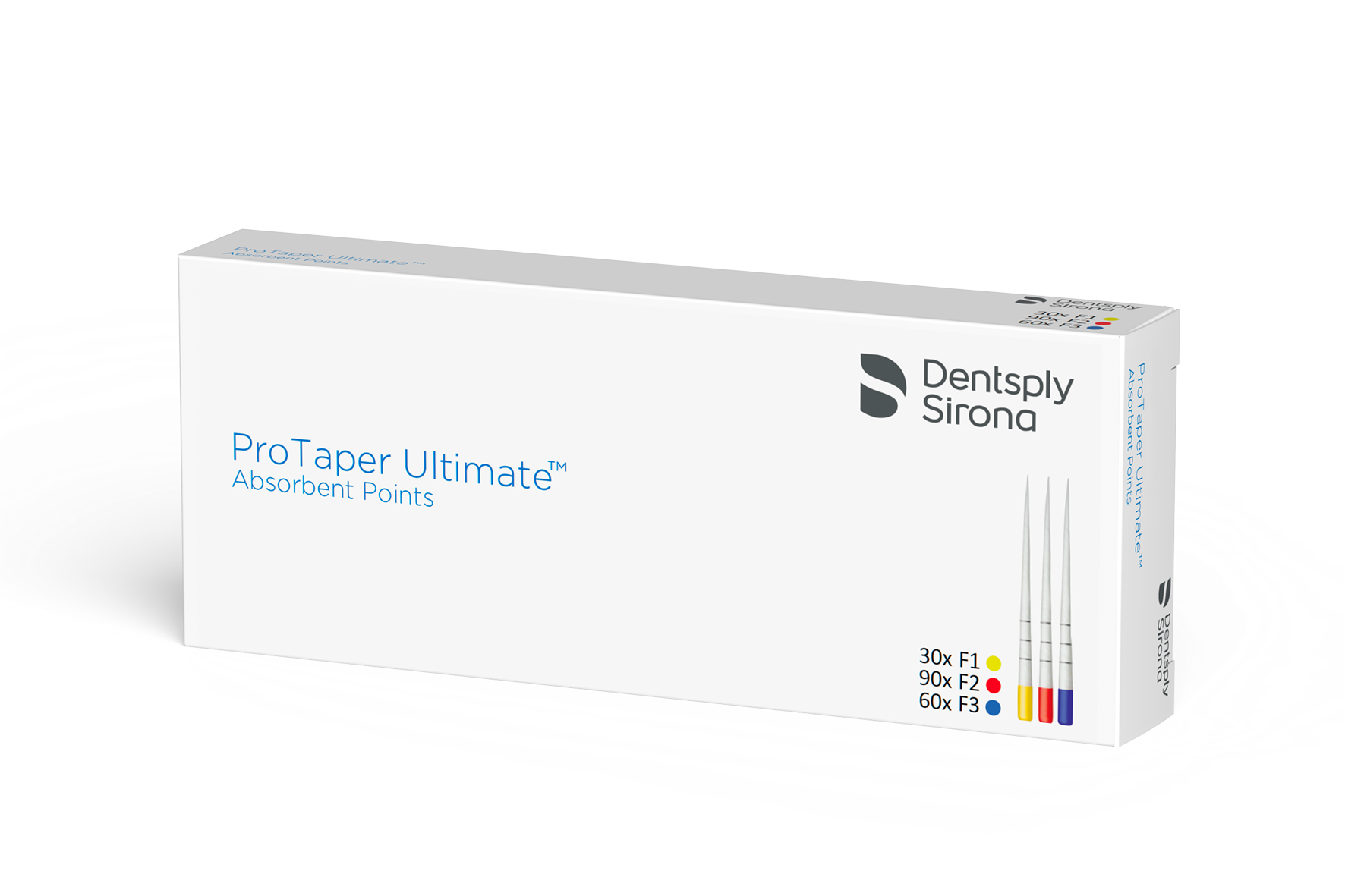
ProTaper Ultimate Absorbent Points - Source www.dentsplysirona.com
Highly Absorbent And Versatile: The Ultimate Guide To Pored Nas For Every Surface
Microporous nanocomposite aerogels (pNA) are an emerging class of materials that are highly porous and exhibit a unique combination of properties, including remarkable absorption capacity, tunable surface chemistry, and excellent mechanical stability. These nascent materials have demonstrated great promise for diverse applications, such as oil-water separation, air filtration, energy storage, and environmental remediation.

Versatile Images Ultimate - Best Bonus - StockElementsFX - Source www.stockelementsfx.com
Porous materials have become indispensable components of advanced technologies due to their ability to enhance surface area, facilitate mass transfer, and provide active sites for various physical and chemical processes. Among the diverse family of porous materials, porous nanocomposites have emerged as versatile platforms that combine the unique properties of multiple components, leading to synergistic effects and enhanced functionalities. One such class of porous nanocomposites, known as porous nanocomposite aerogels (pNA), has garnered considerable attention owing to its exceptional characteristics and promising applications.
pNAs are typically fabricated by incorporating inorganic nanoparticles into a polymeric matrix, followed by a sol-gel transition and subsequent drying to induce gelation and create a highly porous structure. The resulting material possesses a hierarchical pore structure with interconnected nanopores and a high surface area, which are crucial for efficient absorption and mass transport. The incorporation of inorganic nanoparticles within the polymer network enhances the mechanical properties of the aerogel, providing structural stability and preventing collapse under mechanical stress.
The exceptional absorption capacity of pNAs stems from their interconnected porous structure, which provides abundant surface area for the efficient capture of fluids. The surface chemistry of pNAs can be tailored by incorporating functional groups or modifying the inorganic nanoparticles, enabling specific interactions with target molecules. This tunable surface chemistry allows for the selective absorption of specific contaminants, such as oil or heavy metal ions, from complex mixtures.
In practical applications, pNAs have demonstrated remarkable performance in oil-water separation, where they can selectively absorb oil while repelling water. This selective absorption is attributed to the hydrophobic nature of the pNA surface, which promotes oil adhesion while minimizing water retention. The high absorption capacity and reusability of pNAs make them promising candidates for addressing oil spills and wastewater treatment.
Moreover, pNAs have shown great potential in air filtration applications. Their hierarchical pore structure allows for the effective capture of particulate matter, including fine particles and aerosols. The functionalized surface of pNAs can be tailored to target specific pollutants, such as volatile organic compounds (VOCs) or toxic gases, providing efficient air purification and improving indoor air quality.
In the realm of energy storage, pNAs have been explored as promising electrode materials for supercapacitors and batteries. Their high surface area and interconnected pore structure facilitate the rapid transport of ions, resulting in enhanced electrochemical performance. The incorporation of electroactive materials within the pNA matrix further improves the charge storage capacity and cycling stability, making them promising candidates for advanced energy storage systems.
Furthermore, pNAs have demonstrated great potential in environmental remediation applications. Their high absorption capacity and tunable surface chemistry enable the effective removal of heavy metal ions, organic pollutants, and dyes from contaminated water and soil. The use of pNAs for environmental remediation offers a sustainable and efficient approach to address pollution and protect ecosystems.
In conclusion, porous nanocomposite aerogels (pNAs) are highly promising materials with exceptional absorption capacity, tunable surface chemistry, and excellent mechanical stability. Their unique properties make them ideal for a wide range of applications, including oil-water separation, air filtration, energy storage, and environmental remediation. As research into pNAs continues to advance, we can expect even greater breakthroughs and innovations, further expanding their potential in various technological domains.